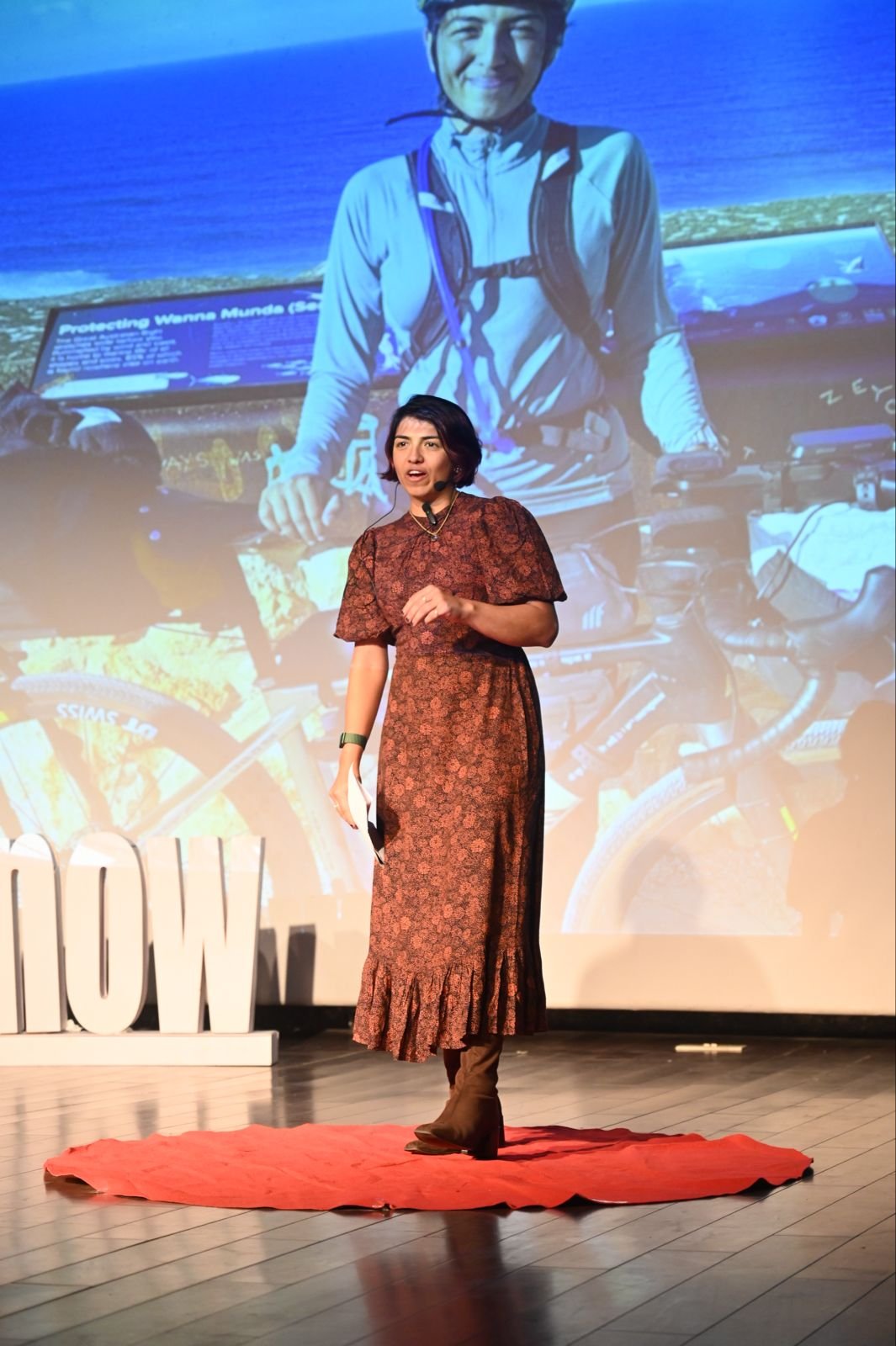
An Interview with Adventurer, cyclist and travel writer Sahir Permall as she prepares for leg two of her “Reverse Migration” bikepacking journey.
Sahir Permall is undertaking a three-stage, multi-year journey where she rides from her home in Glasgow to the village in Pakistan where her grandfather came from.
When we first spoke to Sahir, she reflected on identity, belonging and what she had learned from cycling across Europe. Before she set off on the second leg in Spring 2026, we caught up with her again to ask how the first journey continued to shape her life, and how she was preparing for a more remote and demanding stage through Central Asia.
Firstly, can you share a little more about the “Reverse Migration” and what inspired this journey?
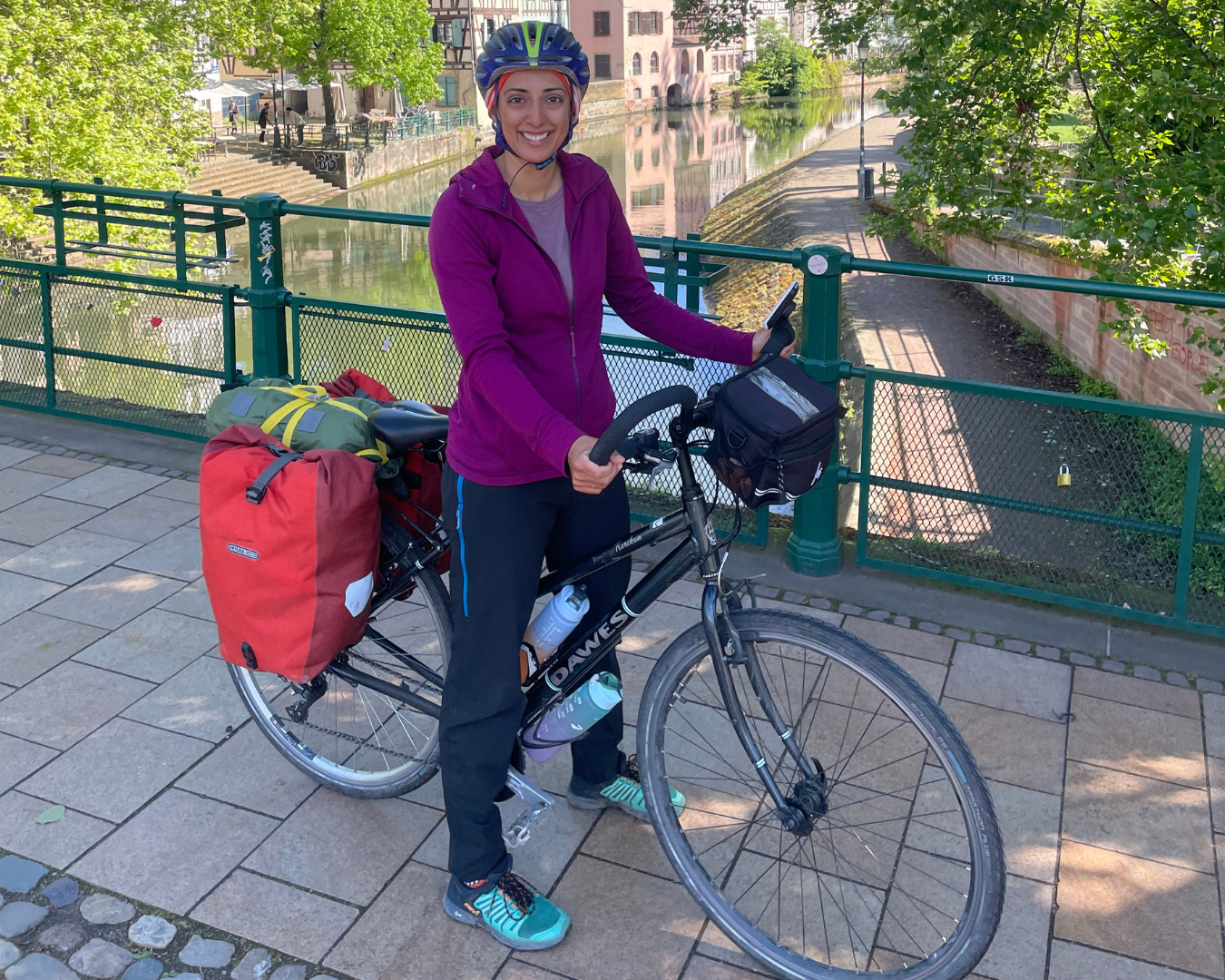
It is a solo journey on a bike from my home in Glasgow to the village in Pakistan where my grandfather emigrated from to the UK in the 1960s. I am completing the journey in stages as I have two young children and so can’t just take off for a whole year. In the first stage in spring 2024, I cycled from Glasgow to Istanbul, which took me two months.
Reading Dervla Murphy's book ‘Full Tilt: Ireland to India with a Bicycle’ in my 20s first planted the idea of cycling across a continent in my mind. I knew that one day I would love to do something similar.
Dervla Murphy happened to cycle to India just one year before my grandfather emigrated from Pakistan to the UK. They both undertook these massive journeys within a year of each other and after I had set the initial goal of wanting to cycle across Europe, I really began to reflect on my Grandfather's journey and what it meant for him, but also for the generations of his family that followed growing up in the UK with a Pakistani heritage.
How did it feel to return to daily life after the first stage?
The trip really changed my life. At the beginning, adjusting was difficult physically, emotionally and mentally. Even though I had only been on the road for two months, I had developed a strong rhythm and routine.
I was my own boss, I was exercising loads, my body felt strong and my mind felt open to the world and the people I met. Every day brought new encounters.
Coming home required an adjustment but it had massive benefits too. I loved reconnecting with my children, friends and family, and I was grateful for home comforts. I felt glowing and energetic, and it was lovely to share that energy and speak about my travels.
Over time, though, it became difficult not knowing what my daily purpose was. Life on the road is not easy, but it is straightforward. You know what you need to do each day. Returning to being a full-time mother also meant looking after my children’s needs before my own again.
That summer, I became interim project manager at Women on Wheels, a cycling charity in the south side of Glasgow. Having spent much of my career managing third-sector projects and organisations, the role brought my professional skills and passion for cycling together.
Through it, I tried mountain biking, became involved in Ride Bright which promotes women’s cycling after dark, and connected with more of Glasgow’s cycling community. The journey changed the place cycling held in my daily and professional life.
Has the journey changed your sense of belonging?
I already felt rooted in Glasgow, having been born and brought up here, moving away and then returning after the birth of my first child. What the journey gave me was a stronger sense of confidence and the feeling that I had a story to tell. I was invited to speak at several events and wrote about my experiences on my blog and elsewhere. Sharing my experience showed me that people were interested and that what I had done could inspire others.
My sense of belonging continued, but it also expanded. I now belonged to new communities of adventurous women and to the cycling charity world in a way I had not before.
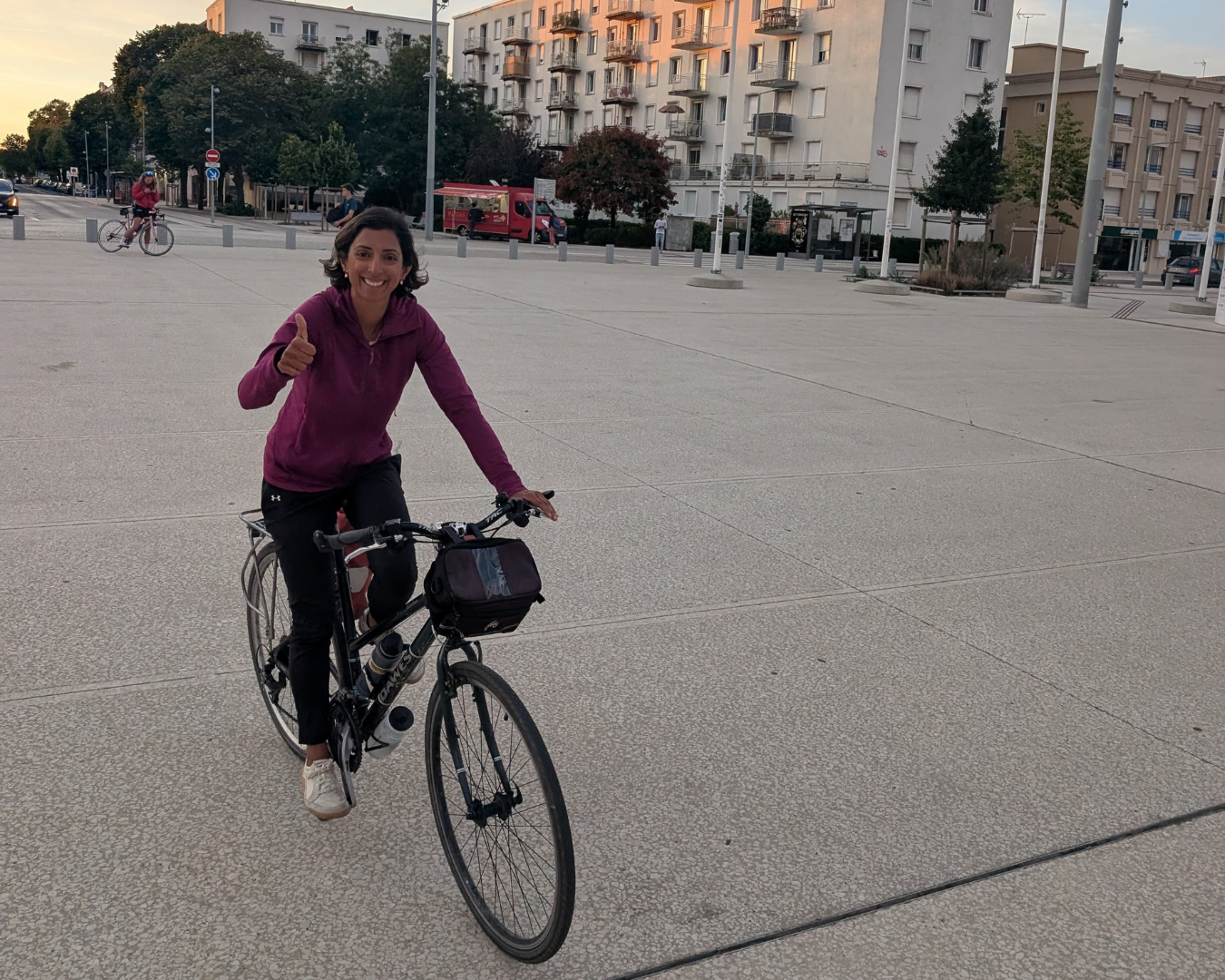
Is there anything you’ve learned so far that will change your approach to the second leg?
On the first leg, I proved to myself that I could cycle every metre between Glasgow and Istanbul. I did not take trains or skip sections when it rained or was dangerous or difficult. I rode the boring stretches and busy roads, and I am very proud of that.
During this forthcoming second leg across Uzbekistan, the purpose is much more about reverse migration than a pure point-to-point physical adventure. The distances across Central Asia are vast and I will have less time, perhaps three or four weeks rather than two months. I’m preparing to combine cycling with buses or trains, possibly skipping some desert sections, to make the journey as interesting, varied and meaningful as possible.
Making that decision felt freeing. I realised that I can still do an authentic journey, without having to pedal every single metre. Particularly when the aim of the trip is to see how the landscapes and cultures morph from Glasgow through to Pakistan.
How are you preparing for greater remoteness?
Central Asia will require more self-reliance, with remote desert sections, fewer paved roads and less cycling infrastructure. I am looking at carrying a water filter, adding bottle cages and possibly using extra panniers for food and water. I also expect to wild camp more often and to need to be resourceful as I won’t be able to rely on shops and services that come up along the way.
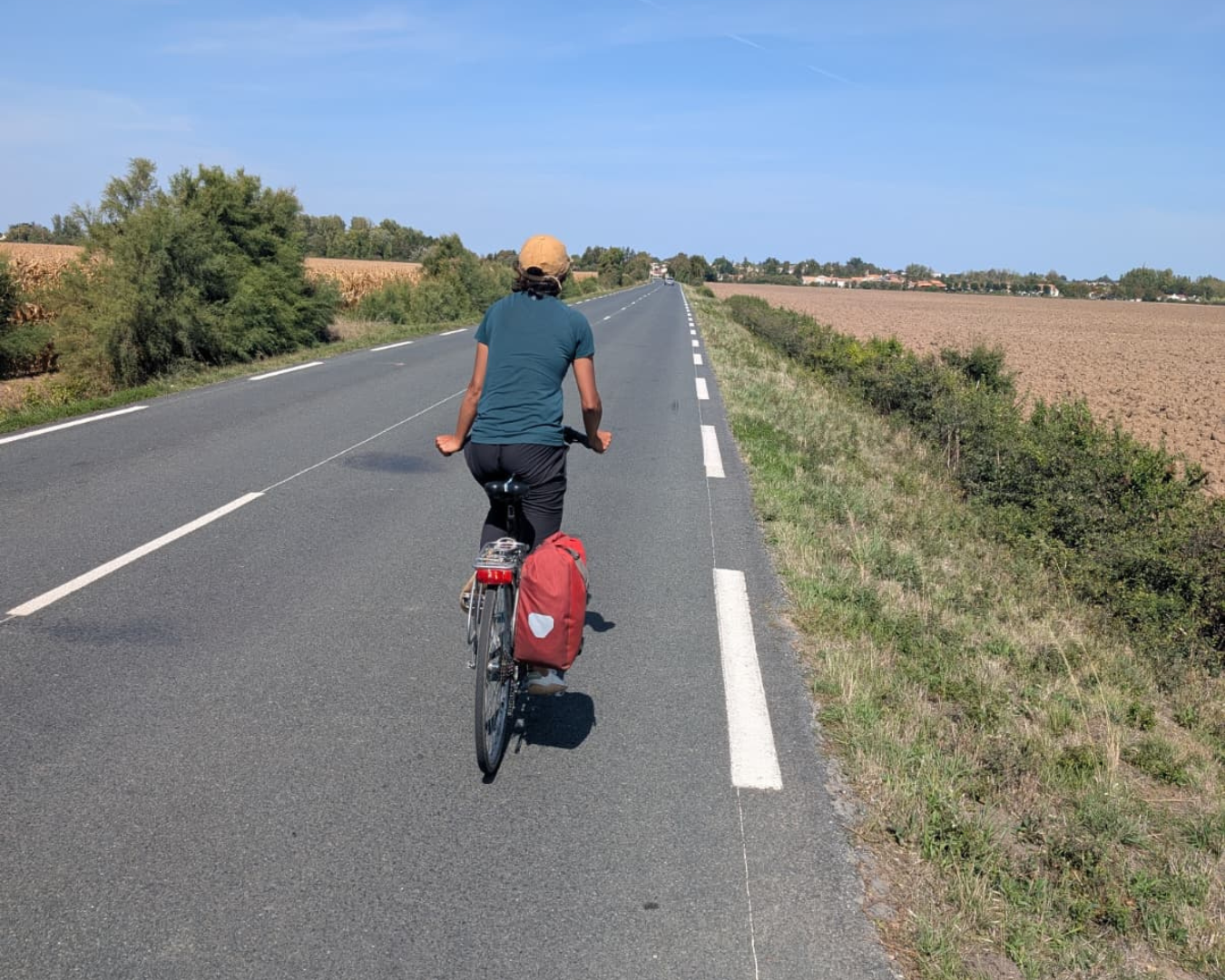
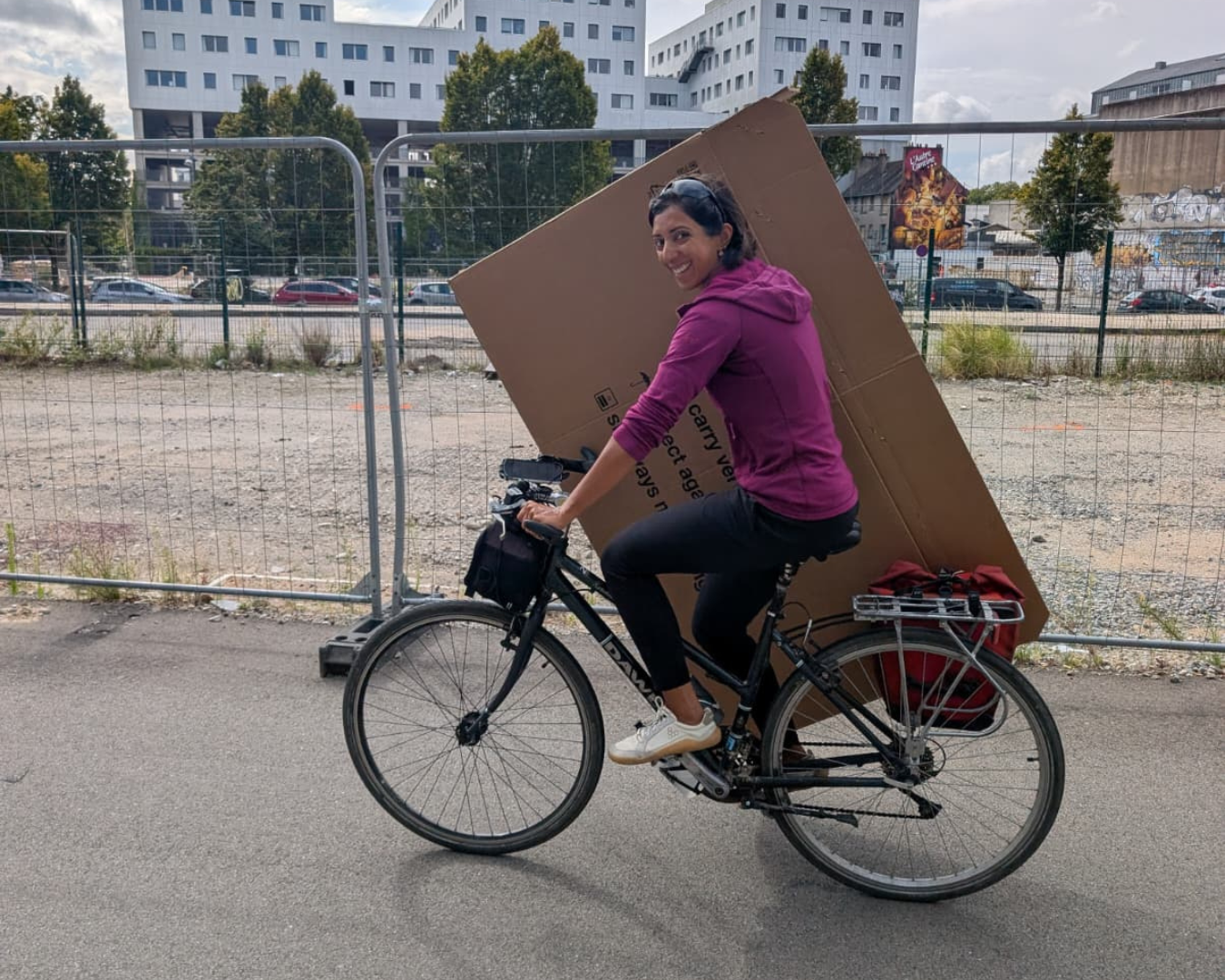
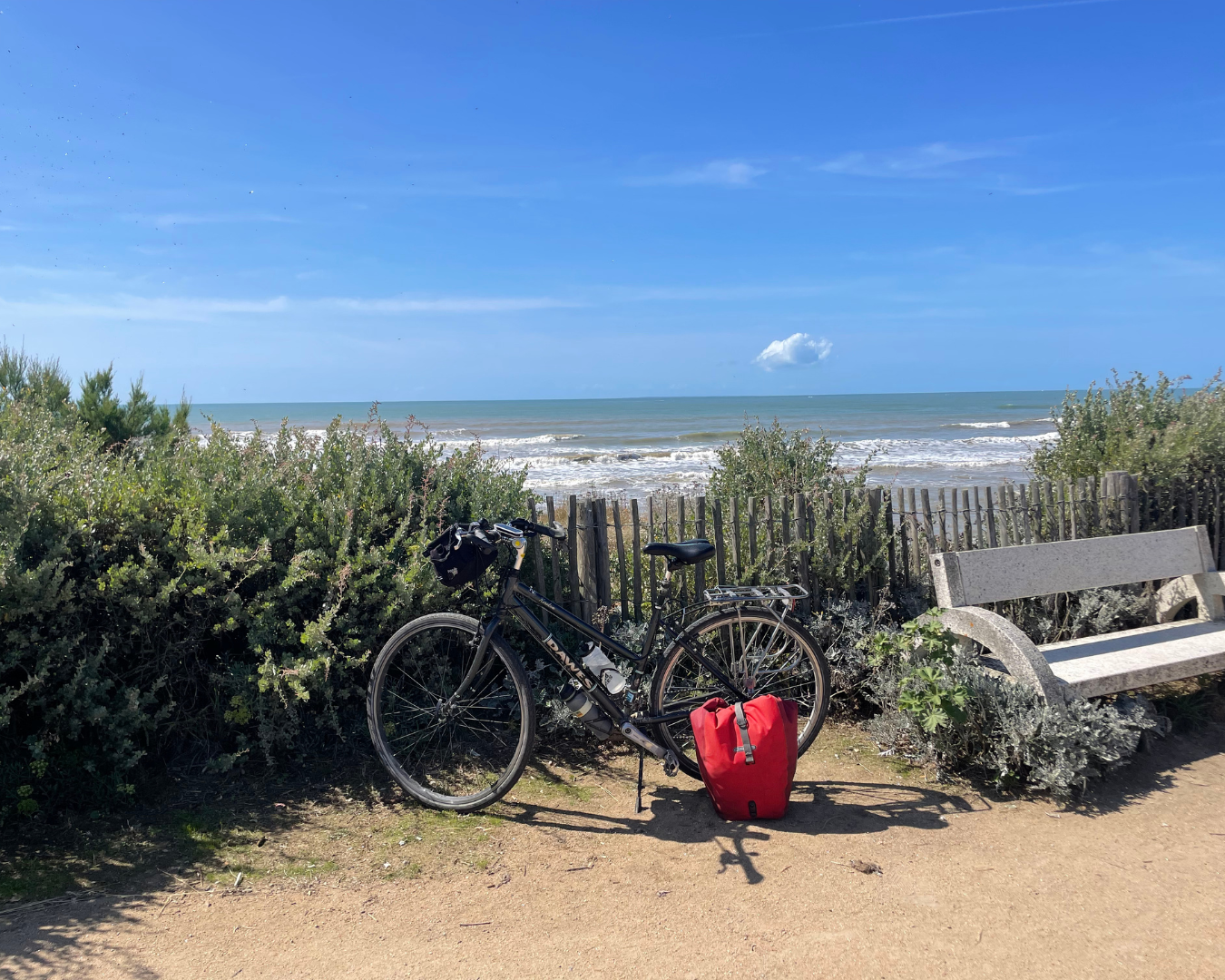
A cycling trip on part of La Velodysee in the west of France over the summer helped me prepare in less obvious ways. It reminded me that even a bad day on the bike is better for me than a bad day at home or in the office. There is still the thrill of the ride, the fresh air and exercise, and the pride and achievement of getting from A to B.
Compared with the ride from Glasgow to Istanbul, France felt almost like a holiday: signposted, flat and never far from food. That contrast renewed my appetite for greater distances, harder terrain and more uncertainty.
It also made me fall in love with my old touring bike again. I had considered replacing it, but in France I remembered how much I trusted it. Flying home also gave me more practice taking the bike apart and rebuilding it, so I feel more confident about arriving at an airport, putting it together and riding away.
Have there been any challenges as you prepare for this second leg?
I had originally planned to go in summer 2025. Just days before leaving, I finally admitted that I was underprepared. Temperatures on the plains and in the Uzbek desert could be above 40°C, and I would have been putting myself at unnecessary risk.
Postponing until spring 2026 was disappointing, but right. Nerves are normal, but a journey like this has to be approached with respect. Making this difficult decision was definitely a challenge. Since then the challenge has been to put in the effort, make sure I am prepared and feel confident and can go ahead when the time comes.
What are you most looking forward to?
I am excited by the beauty and remoteness of the desert, and by the time for reflection it could offer. I am also nervous about communication. I don’t speak a word of Uzbek nor Russian, the lingua franca of Central Asia, so connecting with people and learning their stories will be harder. But some communication can happen across language barriers.
I am especially excited to begin in the Muslim world, and to see how Russian and Muslim influences meet in Uzbekistan as I travel closer to my ancestral homeland. Everything, from the architecture to the landscape, will be different from what I have experienced before.
Being alone, far from home and in a vulnerable position brings fear and nerves. But I know from the first leg that it can also bring insight, energy and unexpected feelings of belonging and unity. I want to open myself to those experiences again, and perhaps to entirely new ones.
Sahir has now completed the second leg of her reverse migration. We hope to speak with her again to learn more about how it was and what comes next. In the meantime, you can follow her journey and other travels through SASA on the move and on Instagram @sasaonthe_move.