Guidance for community leaders from the Co-Founder of The Ruh Collective CIC, inspired by conversations at The Outdoor Connection
If you have questions around grants and funding, you are not alone! It’s one of the most requested session themes for our annual capacity-building event for leaders - The Outdoor Connection - and is a frequently discussed topic within our wider work.
In this article we hear from Emily Ankers, Doctoral Student and the Director of The Beta Club. Emily joined us at The Outdoor Connection as a Community Writer helping us to share learnings, insights and stories from the event.
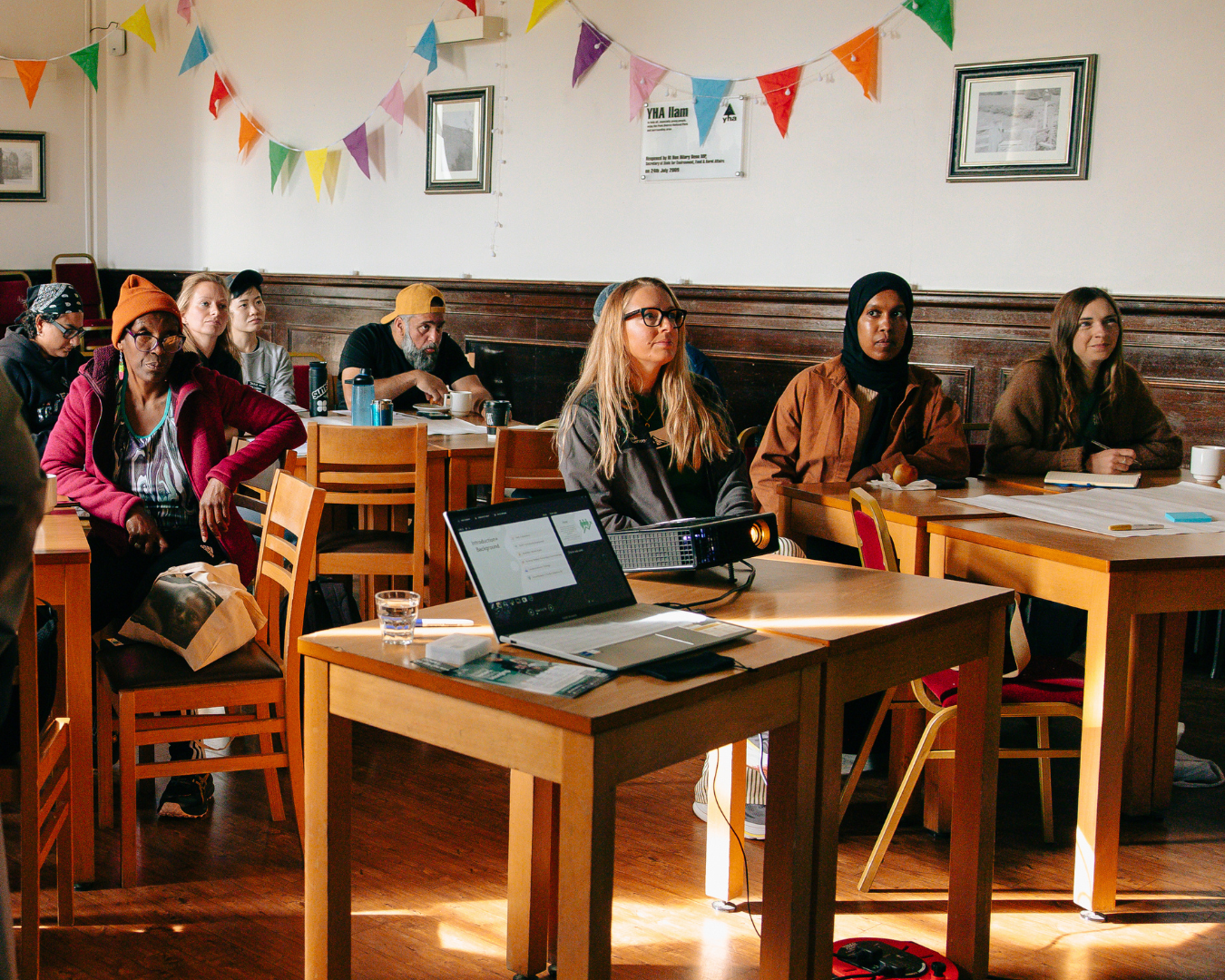
This article has been inspired by the session ‘From Grants to Growth: Practical Insights into Funding and Funders’ run at The Outdoor Connection 2026. The session was facilitated by Ismail, a community leader and funding expert from the Ruh Collective CIC.
Through a series of articles, we’re sharing key takeaways from some of The Outdoor Connection event sessions, interviews with leaders, opening additional discussions and much more. This is the second article in the series.
The Outdoor Connection is an in-person event bringing together community leaders who are working to support access to nature and the outdoors, run in partnership between YHA Outdoor Citizens and All the Elements.
The 2026 event was supported by YHA (England & Wales), Natural England and Sport England.
Finding financial support
Navigating the funding landscape can be an intimidating mission. It requires knowledge and skills that many of us want to develop. Ismail from Ruh Collective CIC brought a wealth of knowledge to our session, providing us with key advice and information about looking for, applying for and being successful with grant applications. It also provided the opportunity to hear the experience of other leaders in the room. In this article I’ll be sharing some of the key takeaways.
The difference between funding and grants
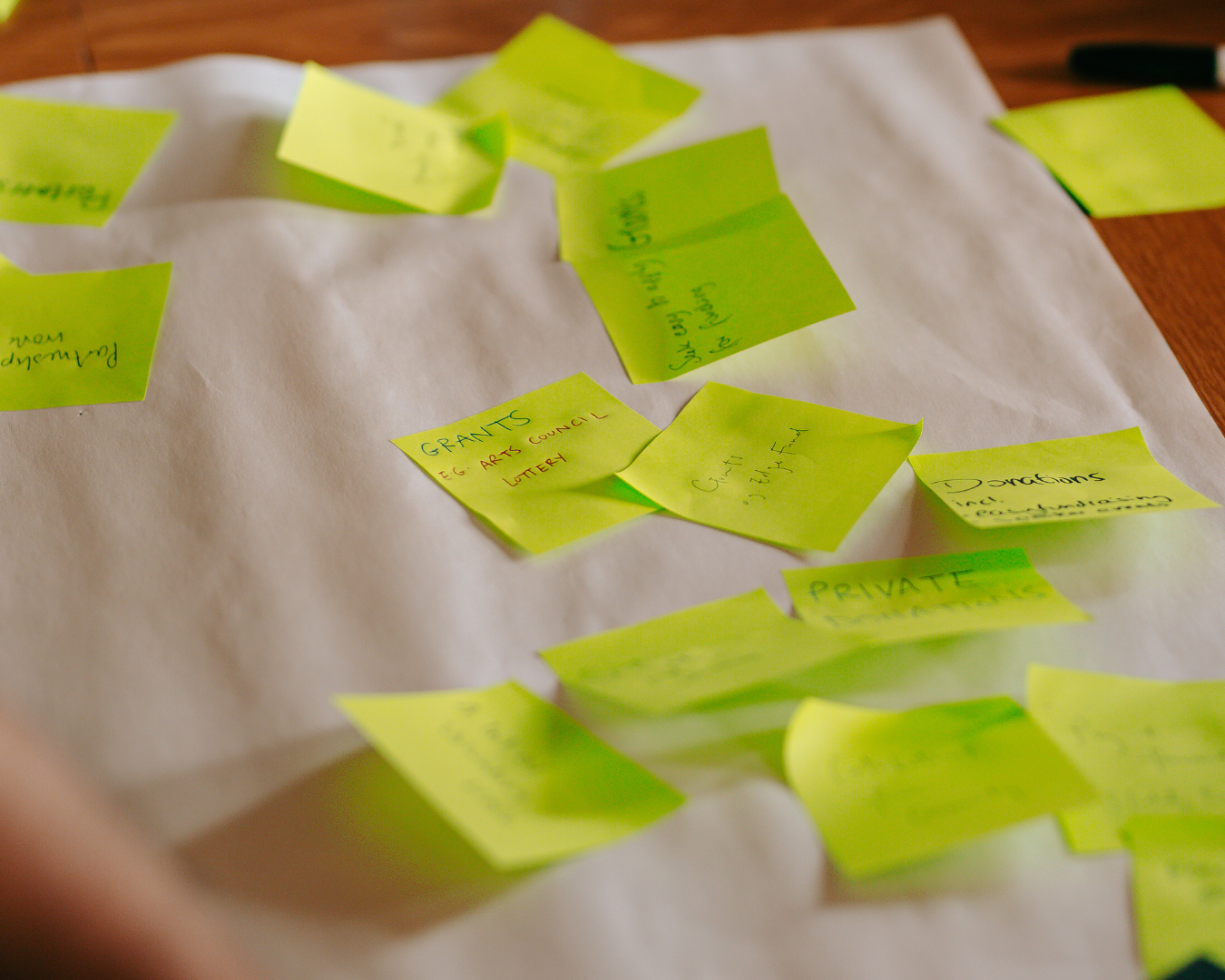
Funding: the money itself
Grants: the channels through which money is distributed
When we’re looking for financial support, we’re seeking funding via specific grants. But how do we know which grants to apply for? It might be tempting to apply for every grant out there in the hope that we might be successful, but there are some key things we should consider before throwing our hat in the ring.
Knowing your ‘why’
If somebody asked you what you’re trying to achieve and what your values are, could you tell them clearly? Ismail explained the significance of putting in the groundwork to understand your ‘why’, without taking any shortcuts.
If somebody asked you what you’re trying to achieve and what your values are, could you tell them clearly?"
Create and nail down a single page ‘blueprint’ of your organisation, that clearly outlines who you are and what you do. Ismail shared his experiences as a professional funding distributor, observing that insufficient strategic frameworks, while common, can be a blocker to accessing funding for organisations.
Knowing your ‘why’ is crucial for avoiding ‘mission drift’ (the idea of straying too far from your aims and values) and being able to choose the most appropriate funding pots to apply for. Ismail explained the value of thinking about the governance and set up of your organisation through the motto “the heart of a charity but the mind of a business” – to help guide your decision making processes.
Build a relationship with the funder
There is a lot of value in building a relationship with the funder prior to applying for the grant. This isn’t always possible (usually due to the funder’s communications channels), but when you can make it happen, do! A relationship with the funder makes it possible for better communication, conversations and negotiations over the terms of the funding. All The Elements have shared that for them, funder relationships have also enabled support with problem-solving during the application stage and can ensure that you are hitting the needs of the funder in your application. Ismail emphasised the significance of building a relationship with the funder organisation and not just an individual within it – individuals leave positions, but a solid inter-organisational relationship can last a long time.
A relationship with the funder makes it possible for better communication, conversations and negotiations over the terms of the funding.
Understand the ‘wrap around’ of the grant
It is rare to be awarded grant funding without anything being given in return. There is usually an expectation of delivery, an outcome, or a motivator from the side of the funder. The values and aims of the funding organisation are important to consider – do their values align with what you stand for? Do you feel that this funder is the right fit for you and can you meet their expectations in return for the grant?
Find out the funders’ key buzzwords
Many funders are established with their own mission and may have set terminology that they use. For example, they could be rooted in aiding social change and therefore use relevant language to this area of work.
Ismail recommended thoroughly doing your research into their framing, set up and buzzwords. When writing your grant application, ensure that you are writing with the funder’s language and key words. You need to frame your own mission in alignment with their way of talking about issues. This doesn’t mean altering your values or aims, but by using their language and framing your application in the style that they use, hitting the key words and tick boxes, you are making it easier for them to say yes.
When writing your grant application, ensure that you are writing with the funder’s language and key words. This doesn’t mean altering your values or aims, but by using their language, you are making it easier for them to say yes.
Don’t rush.
I think we all feel the pressure of looking for and securing funding but it’s so vital that we get it right. We need to take our time when researching grants to ensure that we find the right fit for us. There’s a huge element of risk in applying for the ‘wrong’ grant. Firstly, you are a lot less likely to be successful in securing it. Secondly, if you do secure it, it may be difficult to meet the funder’s expectations and you probably won’t have much fun delivering a project which isn’t aligned.

Next steps - Accepting a grant
Perhaps you have reached the stage where your initial application has been reviewed and accepted. Now you are at the point of negotiation, although you may not realise it! Ismail told us that he will never accept a grant without having a conversation with the funder first, preferably face to face. This is to ensure that the funding agreement works for both parties, but most importantly for you. There are many styles and approaches to funding, for example, you could be applying for a portion of money that is part of a bigger pot of money and the implications of this would mean you may need to coordinate or work with other recipients of the funding on a shared goal. When conversing with potential funders it’s essential to get a full understanding of ‘how this all works,’ and whether that would work for you too.
When having these conversations there are some important things to be aware of:
You need to find out why they have chosen to fund you. Gaining a deeper insight into the organisation’s workings can help you read between the lines and find out if they are genuine, do you trust them?
Where is their money coming from and are you okay with that? Some funders may have a history or background that does not align with your ethics, and it is up to you to decide whether you want to accept that money.
How is this grant going to benefit them and is there enough of a benefit for you? Is the benefit balanced? Keep in mind that most funders are looking for a positive outcome for themselves when distributing funding.
It is absolutely imperative to ensure that you are not being taken advantage of. We heard a mix of opinions from event participants on the minimum size of grant that is worth your time to apply for. Some participants in our group said £500 and Ismail recommended £1000. This is personal to you and your organisation, but it’s key that you consider the amount of work required by you and whether the amount of money is equitable for your time and effort.
Do not be afraid to challenge them. What do they actually mean by what they’re saying to you? Is there a hidden cost or did they misrepresent the actual amount of money you will receive?
Emily’s Reflections
Throughout our session, attendees shared some of the challenges they had faced, frustrations and tips from their own experiences of navigating funding. It became clear to me that every grant has a unique system and nuances when applying for and executing the funding goals.
There were so many people in the room with knowledge to share, emphasizing the importance of communication between each other and our networks. Do you know somebody who was previously successful in securing the grant that you are applying for? Knowledge is power! Be sure to ask them for their advice and insights.
Ultimately, navigating the funding landscape is challenging but with the tips shared at The Outdoor Connection weekend, hopefully you now feel better equipped when looking for grants. For me, the biggest lesson learnt was to take your time. With thorough research, communication within your networks, planning and a carefully curated application – you will make it easy for the funder to say yes, and after all, that is the name of the funding game.
If you’ve enjoyed this article you might enjoy our other funding related content, as well as other articles inspired by The Outdoor Connection.