Advice for new organisations - from attendees of The Outdoor Connection
If you’ve just started a new organisation, or you’ve got an idea you’d love to grow - this article is for you! Steph Wetherell from Every Body Outdoors interviews attendees at The Outdoor Connection, sharing their insights and advice for new leaders.
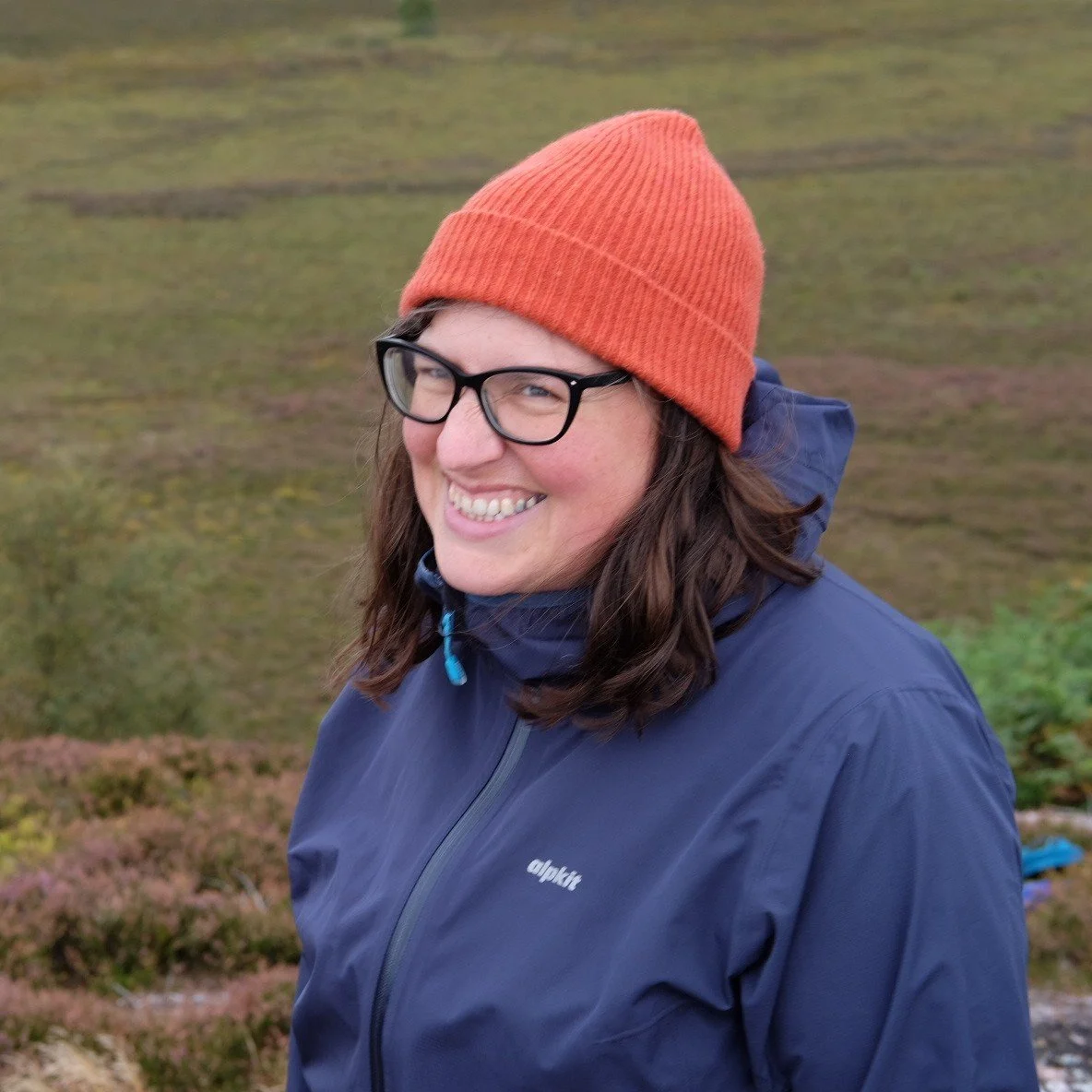
Steph is a freelance writer focusing on the outdoors, environment and farming with a passion for sharing stories and drawing out learning from peoples' experiences. She is also the co-founder of Every Body Outdoors, an organisation working for plus size inclusivity in the outdoors, and joined us at The Outdoor Connection as a Community Writer helping us to share learnings, insights and stories from the event.
This article is the first in a series developed from The Outdoor Connection 2026. As part of the series we’re sharing key takeaways from some of the event sessions, interviews with leaders, additional discussions and much more.
The Outdoor Connection is an in-person event bringing together community leaders who are working to support access to nature and the outdoors, run in partnership between YHA Outdoor Citizens and All the Elements.
The 2026 event was supported by YHA (England & Wales), Natural England and Sport England.
One of my favourite things about The Outdoor Connection is the range of organisations that attend; both geographically and in area of focus, but also the level of experience that different organisations bring. I attended The Outdoor Connection for the first time around the time we incorporated Every Body Outdoors, full of questions and desperate to learn from people who had been doing this for a while. This year I returned, 3 years later, and I was struck by how much I’d learnt during this time, and reflective about what I would do differently if I was to do it again. To try and share this learning, I spent time over the weekend chatting to leaders who have been running their organisations for several years about the advice they would share with people just setting up. These are their learnings.
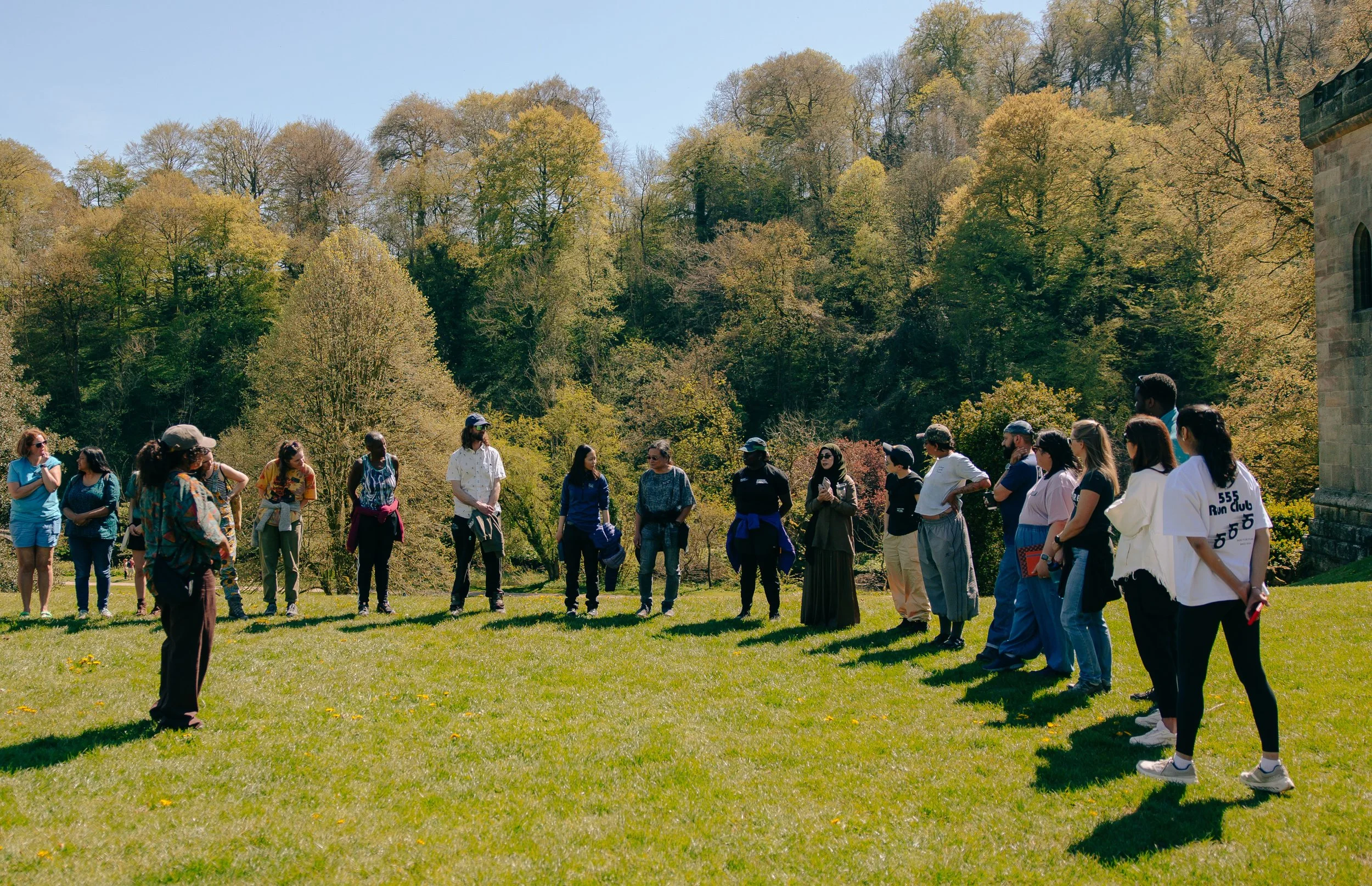
Image Credit Celie Nigoumi
Don’t rush it
“It was all led by passion and need, but we went from zero to something incredibly quickly,” Rachel Hale explained, referring to how volunteer led walk and talk charity Mindful Movers started, a common story of how many organisations begin and one that read true to my experience. Aisha Mirza from the queer and global majority led mental health organisation misery shared their thoughts on how to counter this; “Go slow. It can feel counterintuitive to go slow when everything is so urgent and there’s so much need, but actually that’s one of the keys to sustainability. There can be so much pressure externally from the community and often just from yourself to be better and do more. But in my organisation we have to go slow to really value everyone’s pace.”
“Go slow. It can feel counterintuitive to go slow when everything is so urgent and there’s so much need, but actually that’s one of the keys to sustainability.” _ Aisha Mirza
Find your core purpose
“Stay realistic about what you can achieve with the time and resources you have, and try to not get pulled in too many directions,” Nadia Weigh from not-for-profit women’s adventure community Adventure Queens advised when we chatted. “You will have lots of ideas, the community will have lots of ideas. Don’t say yes to everything and be intentional about what you invest your time in.” Clare Millington from Outdoors Is For Everyone, who shares the outdoors experiences of those with disabilities, agreed with this; “Try and have distinct goals – don’t try and change the whole world all at once or you’ll get disappointed and burnt out.” Her advice for dealing with this? “You’ve got to see where your skillset and time availability matches what you can do.”
“One of the biggest things for me is to accept that you can never do everything that you want to do or what needs doing, because there’s not enough time or money or energy.” _ Joss McAuley

Image Credit Celie Nigoumi

Image Credit Celie Nigoumi
A lot of people also talked about their struggle to find peace with the amount of potential work there is to do; "One of the biggest things for me is to accept that you can never do everything that you want to do or what needs doing, because there’s not enough time or money or energy,” Joss McAuley from Peace of Green, who provide therapeutic and creative sessions in nature, explains. “It’s about coming to terms with that but also thinking about what you can do and what’s most important right now, and prioritise that.”
I would also add that it can be worth finding peace with the fact that you can’t please everyone – there might be people who are disappointed with the decisions you make, especially if it differs from their opinion – and that’s ok! You can’t spend your whole time trying to make everyone happy.
Spend time on Governance
Many organisations opt to incorporate as a Community Interest Company (CIC), like we did with Every Body Outdoors, or as a Charitable Incorporated Organisation (CIO), and whilst these structures work well for some groups they might not be the best option for everyone.
“Look into legal structures – form follows function,” Jenny Archard from earth and nature connection organisation Woodland Journeys advised; “Consider what it is that you’re trying to create and how the legal structure you take will support you in that, both in the short term and the long term. Think about how the legal structure will help you engage with your community and whether it is aligned with your values.” When I talked to Debbie North from outdoors accessibility organisation Access The Dales, she explained that they went about it backwards, setting up as a charity before they had clarity about their purpose and work; “We knew nothing about charity law or constitutions, which made it a lot harder than doing the groundwork first. I’d advise having a look at the voluntary community websites like NCVO before you start, they have so much information available including: what a trustee is, what their role is, the legal side of it… and much more”. Most regions also have a local voluntary, community and social enterprise sector support organisation.
Rachel from Mindful Movers also advised that Governance is something that should grow with the organisation; “Make sure your foundation is solid and you’re not building on sand, so that as you develop, your Governance, your policies, your procedures grow with you.”
I also talked to Stu Watson from outdoor adventure activity organisation Ethical Activities who runs a number of CICs operating in this area, including NeuDICE, who help neurodivergent entrepreneurs build their support network, and Queer Out Loud, who provide business, wellbeing and social support to the queer community. “Weigh up what your goals are compared to the demands, responsibilities and amount of volunteer time you’re going to put in just to meet the basic Governance responsibilities – it’s more than you think,” they suggested. This rings true to my experiences too - Governance requires both financial resources and a significant time input, so it’s important to be aware of this when you start, and ensure you have capacity to balance this as well as the delivery aspect of your work.

Image Credit Celie Nigoumi

Image Credit Celie Nigoumi
Ask for help
I have learnt so much from within the All The Elements community but also from other organisations in the Social Enterprise space. Asking for help and learning from other leaders is something that others in the community also suggested. “I definitely recommend talking to people who’ve done it. There can be a lot of fear about asking for help but there’s a lot of generosity among leaders in the community,” advises Jenny from Woodland Journeys. Leanne Wharton from Soul Trail Wellbeing, who offer hikes and mindful walks, expanded on this; “Ensure that you’re never the smartest person in the room and there’s always some people who are ahead of you, and learn from their mistakes!”
“I definitely recommend talking to people who’ve done it. There can be a lot of fear about asking for help but there’s a lot of generosity among leaders in the community.” _ Jenny Archard
Many of us have also been the recipients of well-meaning but potentially misdirected advice; “Be wary of people who want to give you advice and tell you it is ‘the way’ or ‘the truth’ and it’s what you ‘should’ do,” Elle Simms from women’s outdoor community Bird Outdoors points out. “Look for people who are more willing to share their experience and what worked for them.” This is advice that Bean Mhi Berriman, who works with Joss at Peace of Green, agrees with. “Take what you need and leave the rest. People can be generous with information and you can take what you want out of it and not be too prescriptive.”
Stay true to your values
A lot of conversations over the weekend also touched on how hard this work can be. Many of us are battling overwhelm and burnout and it’s important to keep grounded in these times. “Remember to be kind, and that means being kind to yourself, being kind to your groups, and remembering that sometimes kindness can be difficult,” Lorna Stoddart from woodland nature connection organisation Greenwood Growth reflected; “Kindness can be the difficult conversation that says, ‘We don't have capacity right now’ or ’We aren't the right organisation for you’.”
The final advice? In the words of Monique Powell from Black and Global Majority hiking and outdoors group Trekkers UK, “It’s not easy, but remember your purpose and why you want to do it, and use that as leverage to keep you moving forwards throughout the journey!”
Find out more about the contributors featured in this article:
Rachel Hale | Mindful Movers | Find them on Facebook @MindfulMovers
Aisha Mirza | misery | Visit the website ko-fi.com/miseryparty and follow them on Instagram @miseryparty
Nadia Weigh | Adventure Queens | Visit the website adventurequeens.co.uk and follow them on Instagram @adventurequeensuk
Clare Millington | Outdoors Is For Everyone | Follow them on Instagram @outdoorsisforeveryone
Joss McAuley and Bean Mhi Berriman | Peace of Green | pogcic.com and follow them on Instagram @peaceofgreencic
Jenny Archard | Woodland Journeys | Visit the website woodlandjourneys.org.uk
Leanne Wharton | Soul Trail Wellbeing CIC | Visit the website soultrailwellbeing.com and follow them on Instagram @soultrailwellbeing
Debbie North | Access The Dales | Visit the website access-the-dales.com and follow them on Instagram @accessthedales
Stu Watson | Ethical Activities | NeuDICE | Queer Out Loud | Visit the websites ethicalactivities.co.uk,neudice.org , queeroutloud.com and follow the accounts on Instagram @ethicalactivites,@neudice,@queeroutloud
Elle Simms | Bird Outdoors | Visit the website birdoutdoors.com and follow them on Instagram @bird.outdoors
Lorna Stoddart | Greenwood Growth | Visit the website greenwoodgrowth.org
Monique Powell | Trekkers UK | Visit the website trekkers.uk and follow them on Instagram @trekkersuk
If you’ve enjoyed this article you can read more articles inspired by The Outdoor Connection here.