Adapting through new partnerships – an interview with Become United
In the current funding climate, many organisations are finding it hard to access the funding they need to deliver their work. In this article we talk to Mohammed Towhasir from Greater Manchester based organisation, Become United, who provide support and empowerment to BAME communities. We discuss how partnerships and working with other organisations has helped them grow, access different funding and become more resilient.
This article is part of a series exploring themes of resilience in organisations working on inclusion in the outdoors. Including interviews with leaders who have scaled back, paused their work, closed, sought out new partnerships, pivoted and brought on new leadership.
You can find more articles here. This article is the Third in the series.
What is Become United?
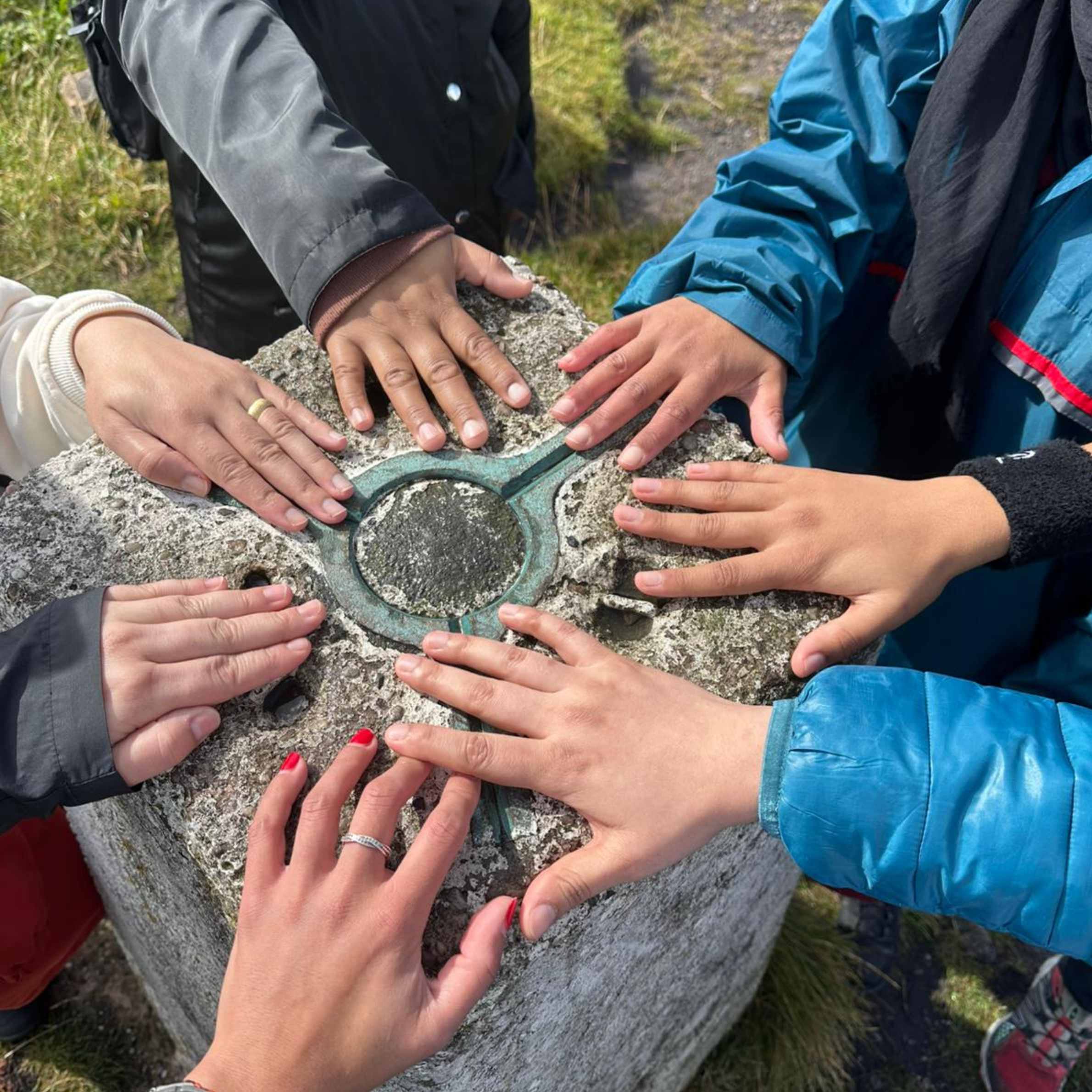
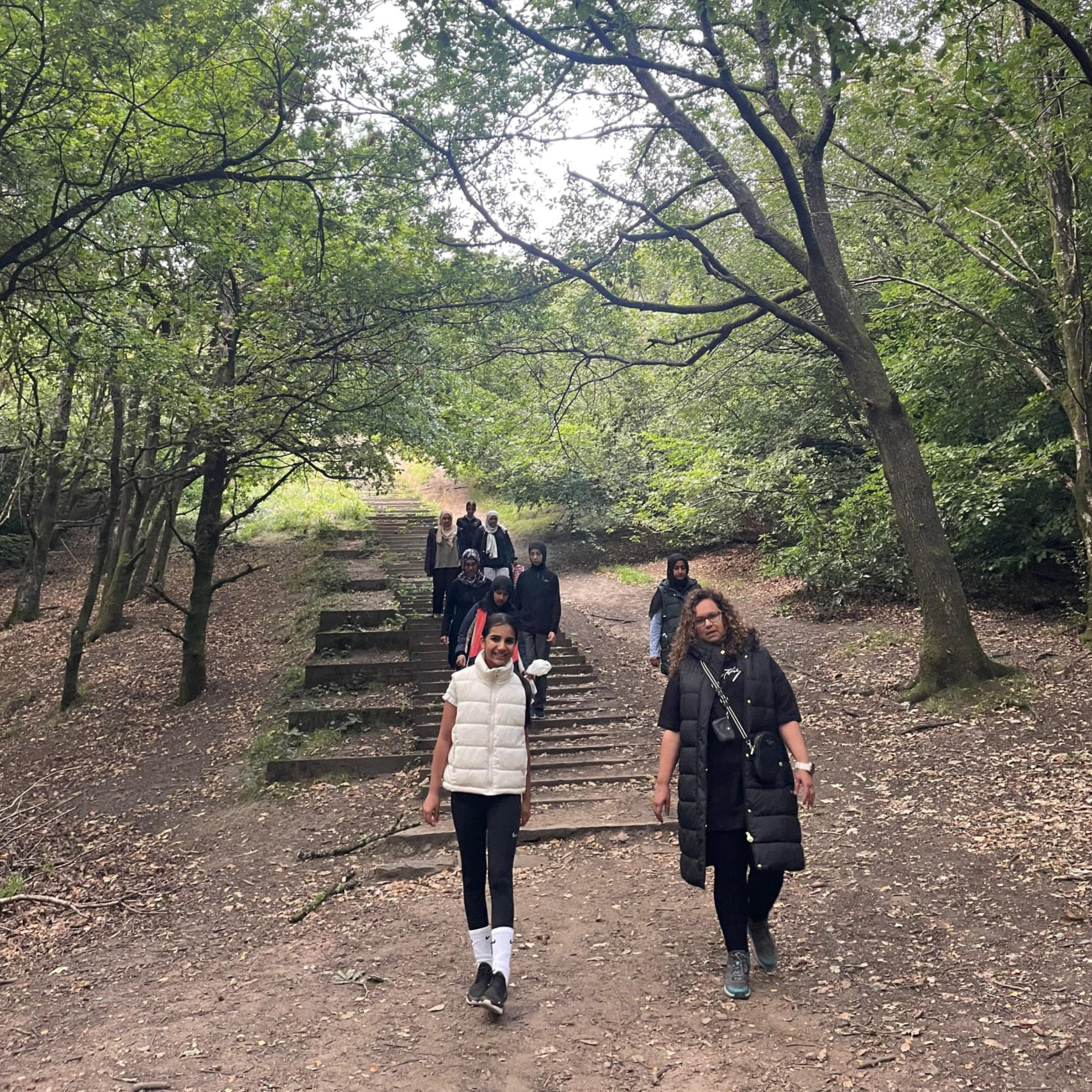
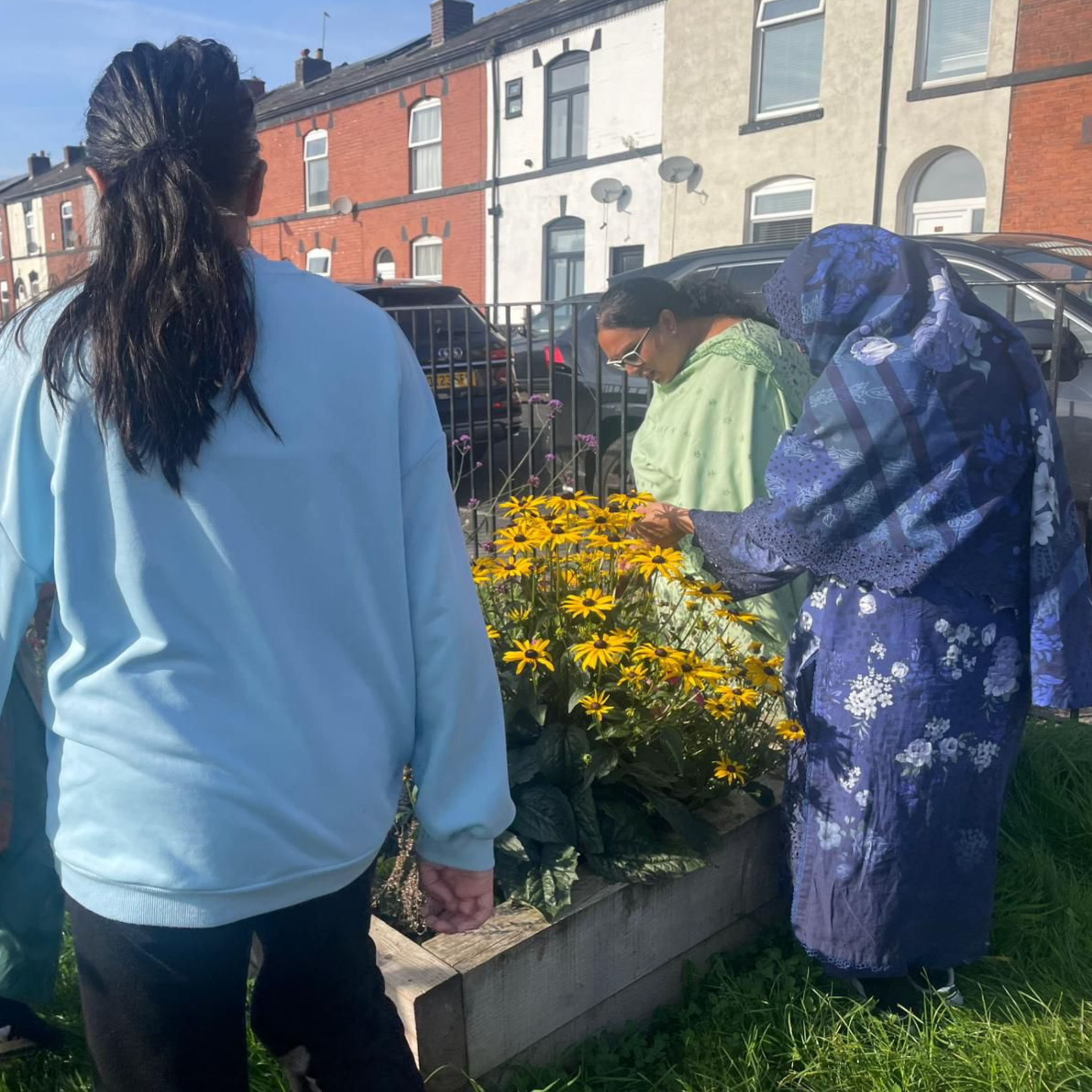
It’s a charity that was set up in June 2022 and works across Greater Manchester. Our work is based around two key areas. The first is that we make resources in different languages and run awareness sessions. In the public sector, a lot of the resources are literally translated from English into another language, so we make it culturally appropriate and relevant. The second bit of our work is that we get diverse communities engaging with the outdoors. We run residential trips - mainly for teenage boys but we’re starting to run those for families and women as well - along with regular walks, hikes and cycling lessons and other nature-based activities that are forest school type sessions.
How did Become United start, and what was the motivation behind setting it up?
We’re quite fortunate in Greater Manchester as we’ve got a lot of green and blue spaces, but if you go to a lot of those spaces, it’s not very diverse. I come from an NHS background, and the data and higher rates of health issues show diverse communities are not engaging with the outdoors. Our aim is quite simple; to get BAME people outdoors. First with us in sessions led by qualified people of colour, and then ultimately on their own or joining other future activities.
How have you found accessing funding to support your work?
Most of our funding is through trust and foundation grants - around 90%. We managed ok for the first few years, but for the past few it has been challenging and intense. A lot of our funding has been declined, with maybe only 1 in 12 applications accepted.
“We managed ok for the first few years, but for the past few it has been challenging and intense. A lot of our funding has been declined, with maybe only 1 in 12 applications accepted.”
How have you worked to counteract that?
The clue is actually in our name! Greater Manchester is a huge area to work across – 10 boroughs, 3 million people. As a small charitable organisation we realised it was impossible for us to work across the whole area, so we started networking and working with other organisations. Now we work with a network of 25 organisations who share our activities with their service users. The organisations are really varied - some work with Black African youth, others with South Asian women – and we also have stakeholders like Housing Associations and Local Authorities, and that allows us to reach a lot more people.
Have you found other organisations receptive to working together?
When we first started, it was very difficult to get other community groups on board, because they didn't trust us as a new organisation. But we tried to get recommended by other organisations as a first approach, which helped, and then building relationships with Housing Associations was also very helpful as they already have insight into the areas and links with other community groups. We also started off in Rochdale and Oldham which is the area the team is from and where our existing relationships were, and slowly built out from there. Now we’re represented across all 10 boroughs. We’ve been able to build a rapport and track record, and our reputation has grown. We actually have enough organisations on board now that we don’t have capacity for more partnerships at the moment.
How has this partnership work impacted your ability to access funding?
The funding landscape at the moment is quite big on partnership working, so being able to say we’re partnering with 5-10 organisations on work has really helped, especially with some of the larger trusts. We have a really clear ask for the partners we work with and I think this has helped too. We’re also starting to look at larger, multi-year funding and I don’t think we’d be able to do that on our own.
“The funding landscape at the moment is quite big on partnership working, so being able to say we’re partnering with 5-10 organisations on work has really helped, especially with some of the larger trusts. “
I imagine it’s not all plain sailing though – what are the challenges of working with partners?
The biggest challenges are around communication and expectations. It’s important to be clear with the partners about what budget is available. Most of the funding is small pots, under £10,000, and so there’s not a huge amount of money to go around. We just try to be honest with people. We also try to keep many of these relationships informal as we’ve found that this often works best with diverse communities.
Do you work with any organisations outside Greater Manchester?
We’ve recently started to link with national organisations such as Natural England and Forestry England. This has been really useful as they’ve been giving us advice, sharing learning and helping us to do our reporting. In addition, we’ve also been able to mention them as supporters in our grant bids which has helped us secure funding.

As a relatively small organisation, how do you make time for identifying partners and building relationships?
In the first couple of years we put a lot of time into meeting with different organisations, talking about the work that we do and the plans that we had. The majority of the time the work didn’t align, but if it did we would start meeting regularly and keep them informed of the projects we had. We use a project management tool that helps us keep on top of some of this work and we’re supported by some senior volunteers who help with basic admin tasks . This frees up some time for myself and my cofounder to do more of this partnership work.
“In the first couple of years we put a lot of time into meeting with different organisations, talking about the work that we do and the plans that we had. The majority of the time the work didn’t align, but if it did we would start meeting regularly and keep them informed of the projects we had.”
Is there anything you could have done better in developing this work, or something you’d do differently if you did it again?
I would definitely invest in a CRM (Customer Relationship Management) system. I feel like if we had a CRM at the beginning, all these conversations that we had with different people would have been logged. We would be able to pick up who we spoke to two years ago, and search for them to pick that up, and this is something we’re now looking to implement in the near future. Another thing we’re starting to do is getting more volunteers to be the face of the organisation, - to attend events and meetings, to get on the radar of different potential stakeholders.
What’s next for Become United?
This year our strategy is to work on securing multi-year core or project funding, and potentially explore corporate sponsorships and contract/commission work. We’re also keen to learn from organisations who are doing similar work across the range of activities - forest school, walking, cycling – all of it together, especially those elsewhere in the country.
Where can we find out more about Become United and your work?
You can see our website, or follow us on Instagram or Facebook.
If you’ve enjoyed this article you might also enjoy reading the other articles in the series, including “Taking a break as solo founder – an Interview with Queer Out Here” and “How to know when it’s time to close - an interview with Women’s Trad Fest”.