How to know when it’s time to close - an interview with Women’s Trad Fest
Ending a project or shutting down an organisation can be an incredibly difficult and emotional thing to do. However, sometimes things have run their course or become unsustainable to continue. So how do you know when it’s time? We talked to Hetty Kingston and Gilly McArthur from the Women’s Trad Fest about their decision to close after 8 years of running the climbing festival.
This article is part of a series exploring themes of resilience in organisations working on inclusion in the outdoors. Including interviews with leaders who have scaled back, paused their work, closed, sought out new partnerships, pivoted and brought on new leadership.
What was the Women’s Trad Fest?
HETTY: Women’s Trad Festival was a trad climbing* festival based in the Peak District, created to bridge the gap between indoor and outdoor climbing. It was an inclusive community that celebrated and supported diversity in all its forms - everyone was welcome, regardless of identity, background, or experience level. The festival aimed to support beginners transitioning from indoor to outdoor climbing, empower women and other marginalised genders to develop confidence in outdoor leadership, and help build a more inclusive and connected network of trad climbers.
* Trad climbing is a type of climbing where the lead climber places temporary gear into the rock as they climb
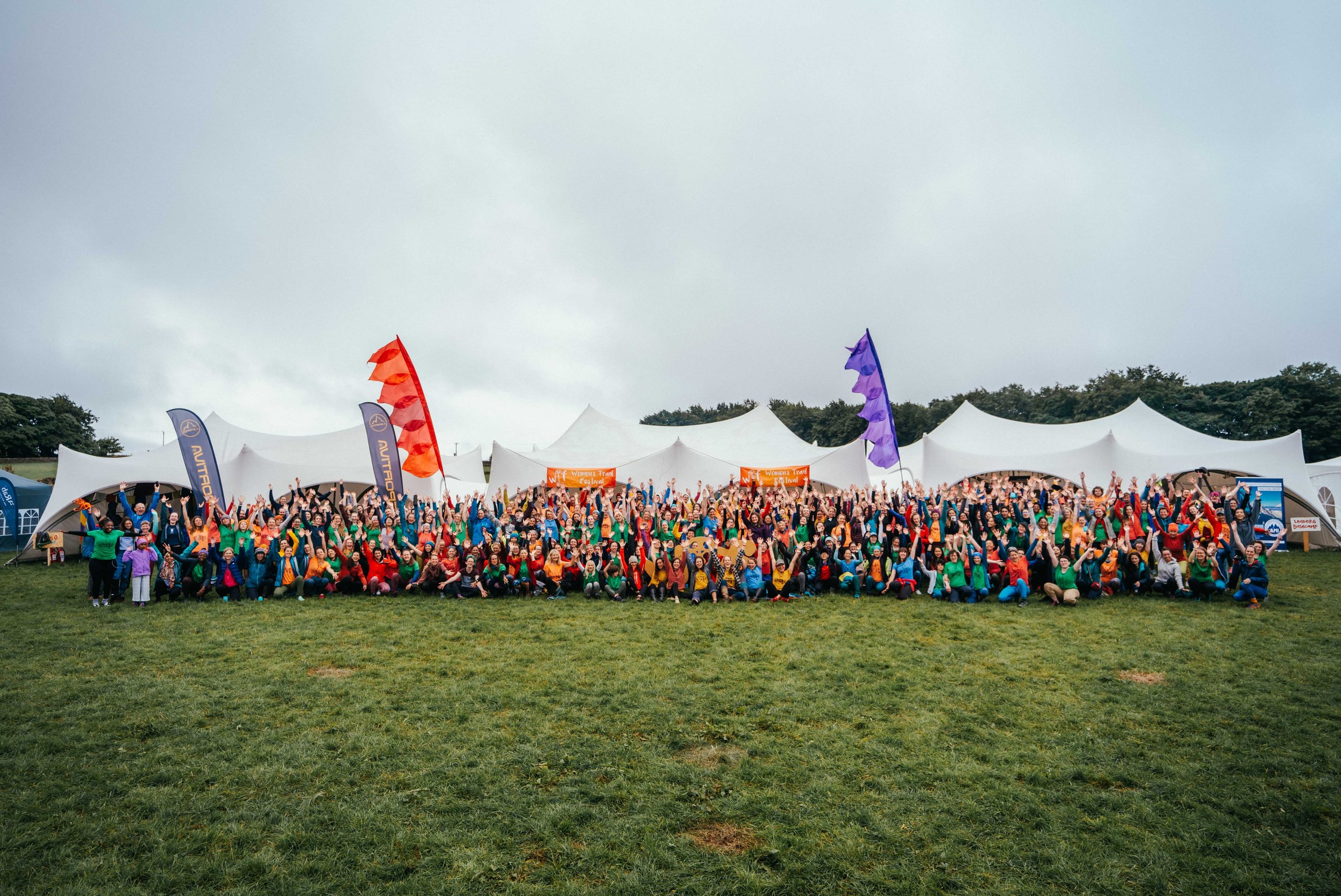
Festival photo - Image Credit Lena Drapella
How did the Women’s Trad Fest start?
GILLY: Ellie, Charlie and I attended the Women’s International Climbing Meet in North Wales. Being at that event brought into sharp focus how many women there were who really wanted to climb and were climbing at different levels. It was clear that the landscape could easily accommodate another event to help support new people into this predominantly male-dominated sport.
How did you both get involved?
GILLY: I was working with DMM, and was the only technical hardware climbing sales rep in the UK at the time who was female. The first year I provided all the kit and training then transitioned to a Director.
HETTY: I was initially involved as a sponsor through working for Rab, and there was room for a fourth director - although life felt really busy, I just couldn’t turn this opportunity down as it was something I was incredibly passionate about and aligned with all of my values.
Can you tell me about how the Women’s Trad Fest developed from there?
HETTY: Women’s Trad Fest developed rapidly as demand for the event grew. I remember the year I joined, the tickets sold out immediately (under 1 second!) - so quickly that we joked that we sold out faster than Glastonbury!
We had three core values - mental wellbeing, accessibility and sustainability, and it became clear that the way tickets were being allocated wasn’t fully aligned with those values. For example, people with caring responsibilities, limited internet access or inflexible work schedules were being unintentionally excluded. In response, we moved to a ballot system to make access fairer and more inclusive.
These core values continued to guide every decision we made. Rather than focusing on growth, we turned our attention to the culture of the festival and making sure everyone had a wonderful and uplifting experience.
These core values continued to guide every decision we made. Rather than focusing on growth, we turned our attention to the culture of the festival and making sure everyone had a wonderful and uplifting experience.
At its biggest, the festival hosted around 400 people on site. We chose not to expand further. This was a deliberate decision based on sustainability - both environmental and social. We were mindful of the impact on local crags, the travel footprint of the event, the mental wellbeing of attendees, and the importance of maintaining meaningful connections within the group. For us, keeping the quality and ethos of the festival mattered more than increasing its size.
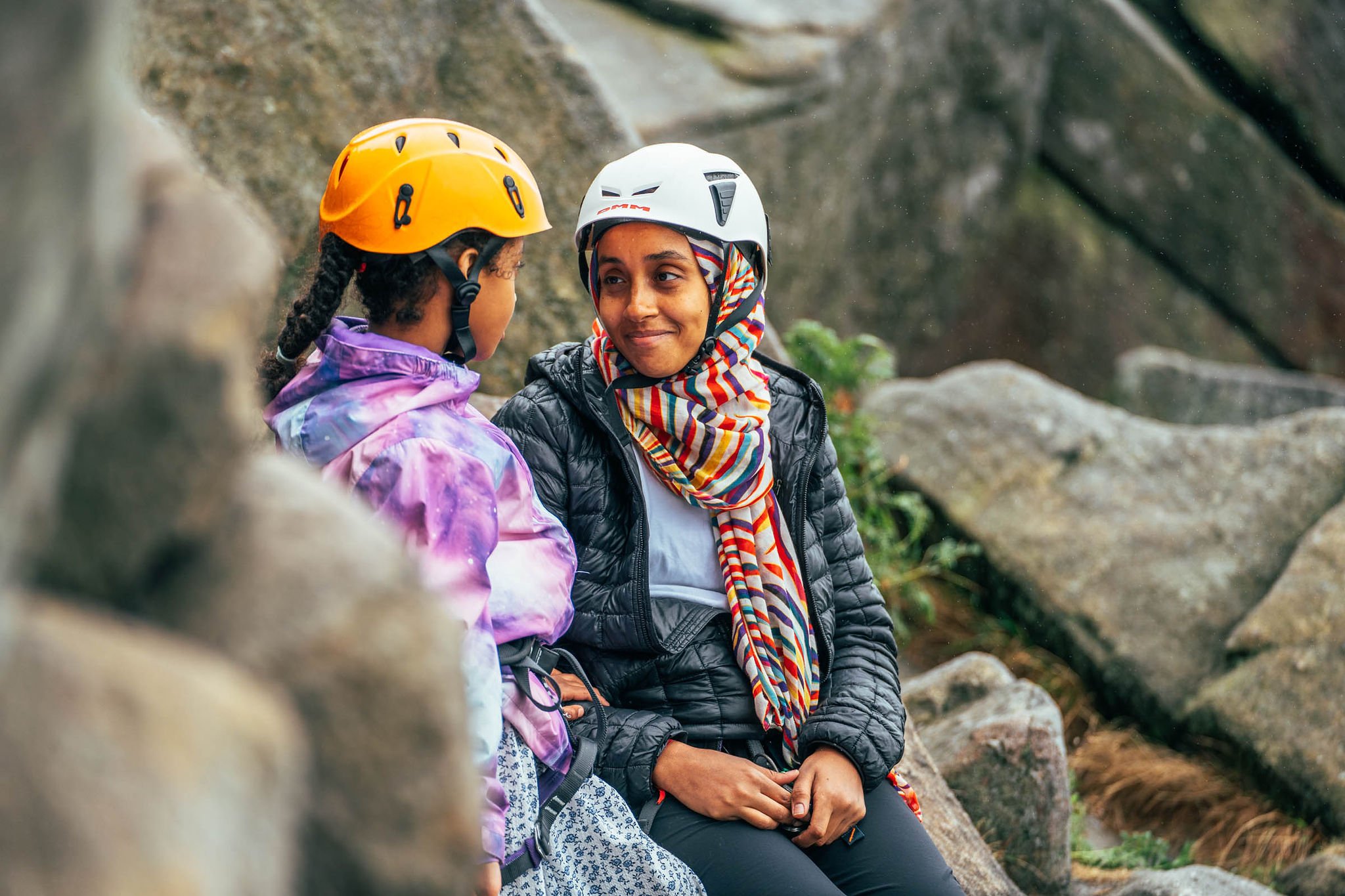
Image Credit Veronica Melkonian
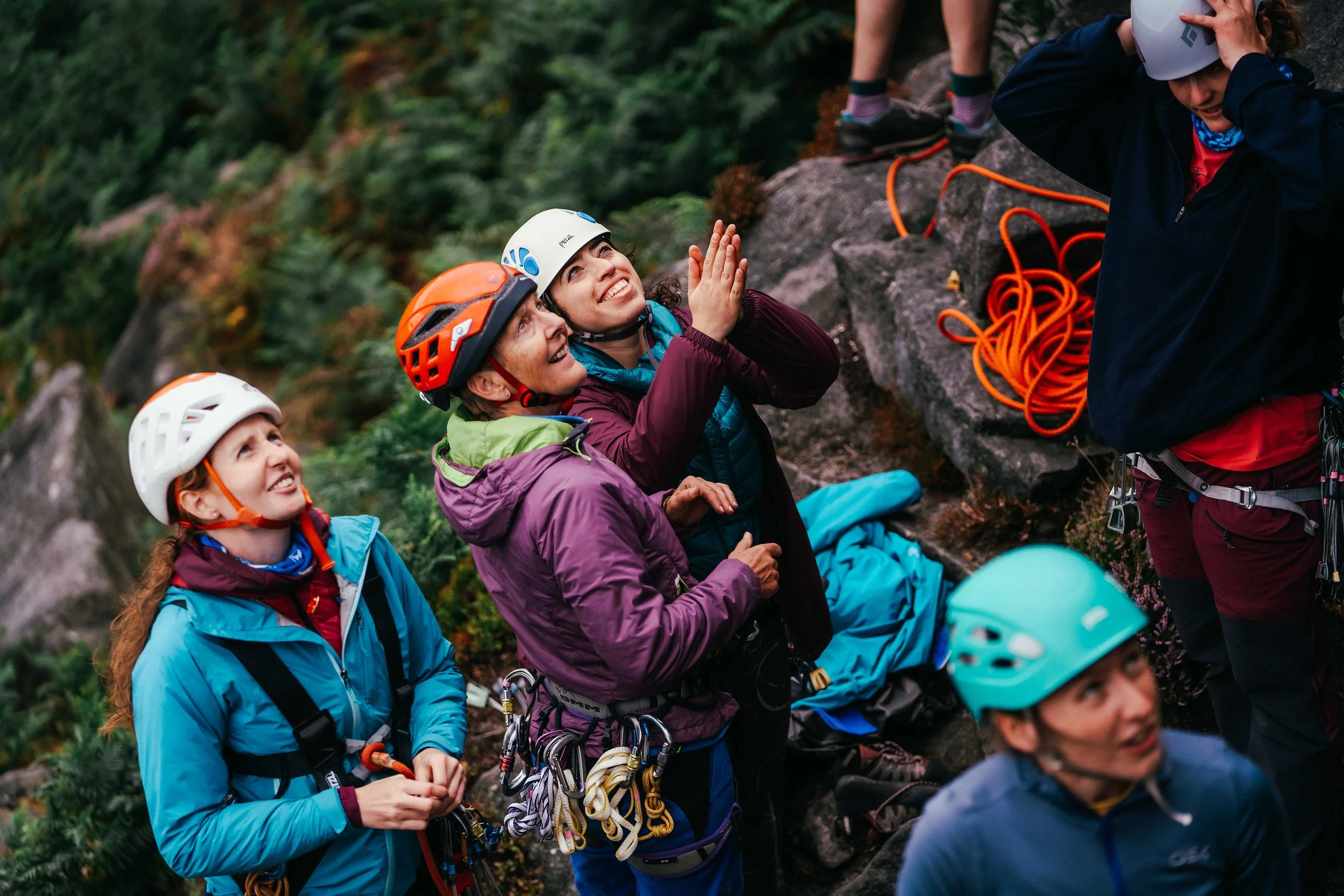
Image Credit Lena Drapella
How did the decision to close come about?
GILLY: The boutique nature of the event, and the way we had created the festival, with a goal to meet every individual's needs meant it was costly to run. To give you a few examples, we designed a tent designated as a quiet zone for neurodivergent attendees, provided camping equipment for those who didn't have it and ensured the accessibility requirements for every climber were catered for. We stood firm, that was how it had to be based on our values. In addition we needed the ticket pricing to be accessible - passing these curated costs to climbers was not an option.
We also had subsidised places, offered kit, guidance, matched partners on ability and even common interests. We had a huge team, and hired every mountain guide in the UK who was free for the weekend!
HETTY: We realised that to grow and to really level up again would require significant financial input and also a lot more time. At that point, we felt we had created something that was (within the bounds of our funding and resources) the closest version of our ideal vision for the Trad Fest. To develop it further would have meant securing even more funding and expanding capacity in ways that would have been extremely challenging for us as a small team.
At the same time, life was changing quite a lot for all of us in different ways. We were each moving into new chapters, with things shifting personally and individually, and it felt like we were all stepping into a period of change at the same time.
Was it a difficult decision to make?
GILLY: It was a really hard decision and not taken lightly, and even to this day makes me quite sad that we just couldn't continue it on.
I think that it's really hard to walk away from something that you love, but deep down I know that nothing can stay forever.
HETTY: I think that it's really hard to walk away from something that you love, but deep down I know that nothing can stay forever. I read a quote by Ellen Goodman that really resonated with my personal feeling about it: “There's a trick to the 'graceful exit.' It begins with the vision to recognise when a job, a life stage, or a relationship is over — and let it go. It means leaving what's over without denying its validity or its past importance to our lives. It involves a sense of future, a belief that every exit line is an entry, that we are moving up, rather than out."
Did you look at other options other than closing?
HETTY: We really did try to find a way forward. One option was transitioning to a CIC so we could access different funding streams, because as a limited company, we were restricted in what we could apply for.
We also explored expanding or changing the team. But one thing that made the festival work so well was our connection. We all had very complementary skill sets and different strengths and weaknesses, but we all shared the same vision. Trying to recreate that felt difficult, and we were conscious of not losing what made it special in the first place.
We also considered a full handover. There were conversations, and people expressed interest, but no one quite stepped forward ready to take it on fully. I think, in part, that’s because the people closest to the festival really understood how much work, care, and energy went into making it what it was.
I think, in part, that’s because the people closest to the festival really understood how much work, care, and energy went into making it what it was.
What was the community response to the closure?
HETTY: People were really, really sad! No one was angry, which was good, but there was a lot of understanding as well. I think people knew how much we put in and how long we'd been putting it in for.
GILLY: Even to this day, when I go climbing at a wall or out on the hills, there are folks who will come up to me and tell me that the experiences that they had at the Women’s Trad Fest were life-changing.
How did you support the community through the closure?
HETTY: We very deliberately kept the website up and our Instagram going, and we still do, even though that's an ongoing cost. We’ve got things like the ‘Climbers Like Me’ series, which showcases a load of amazing individuals, and just not having that there seemed really sad. It was important to us to close things with care and to the same standard we’d held throughout. We wanted it to feel considered and respectful, not abrupt. Even down to small details, we wanted it to reflect what the festival was about, right to the end.
What legacy do you think the Women’s Trad Fest has had?
GILLY: I think the Women’s Trad Fest provided a springboard for confidence, resilience and community in a way that many people have never experienced before. I have lifelong friends from it, and so that legacy still lives on.
I think the Women’s Trad Fest provided a springboard for confidence, resilience and community… and so that legacy still lives on.
HETTY: I think the biggest legacy I see is at the crags. I don't think for a minute we can take sole credit for increasing the number of women climbers out there, but I think we did have an impact in our own way. We also hope the festival played a part in increasing the number of women instructors, as over the years we saw many women leave feeling inspired to pursue qualifications after attending Women’s Trad Fest.
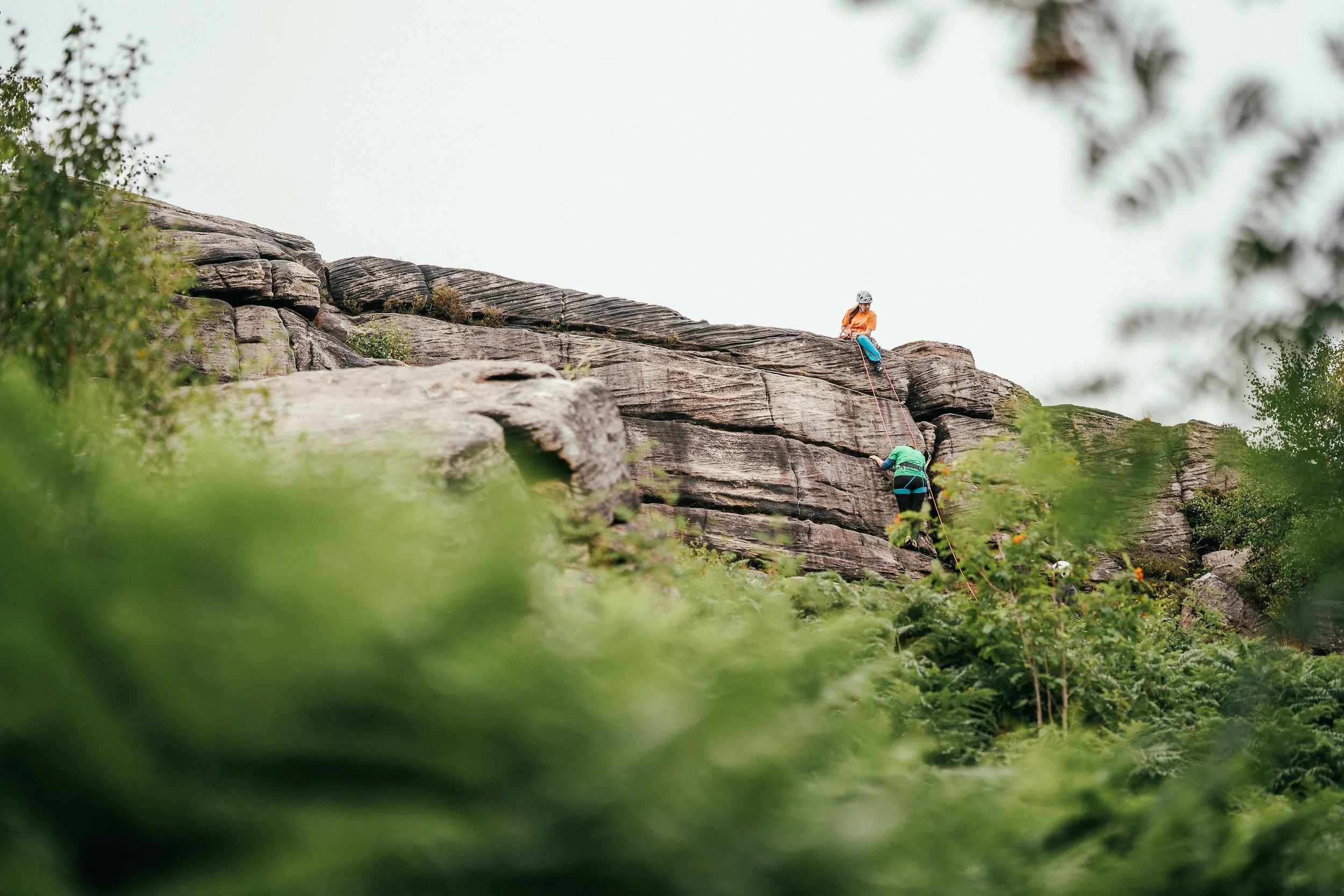
Image Credit Lena Drapella
What can people do to keep the legacy going?
HETTY: Keep climbing! Also, don’t be afraid to be the person who starts something when you see your community needs it. A lot of great things begin with someone simply noticing a gap and deciding to do something about it.
Where can people go to learn more about Women’s Trad Fest?
The Women’s Trad Fest website is still live, including the Climbers Like Me series, and you can watch the short film Over The Edge about the festival.
If you’ve enjoyed this article you might also enjoy reading the other articles in the series, including ‘Taking a break as solo founder – an Interview with Queer Out Here’.