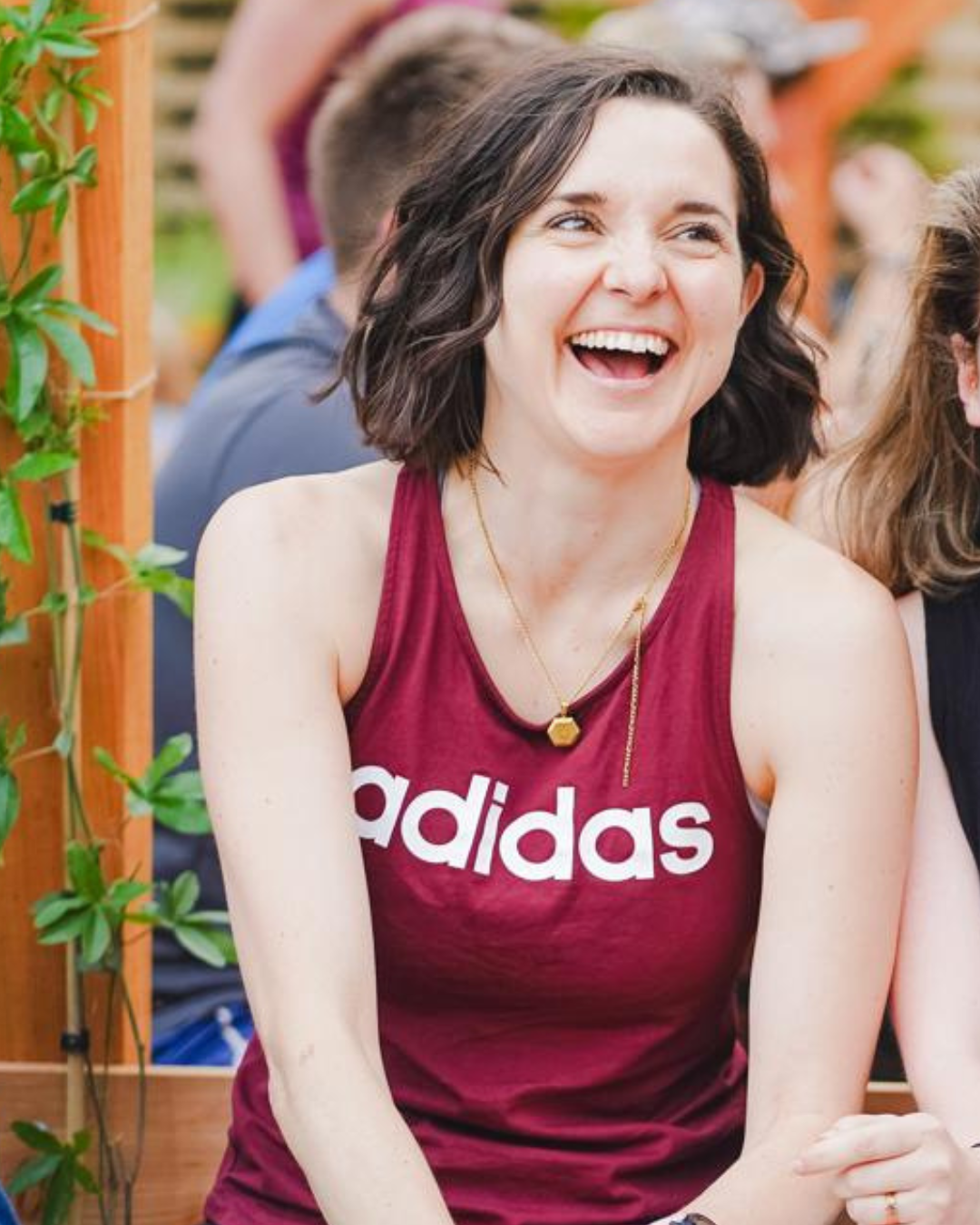
Lorna, from women-led outdoors community Bird Outdoors, shares her insights about the everyday safety challenges faced by women runners — and offers ideas on how community can help.
As soon as the clocks go back, women runners across the country begin to change their exercise routines: rising early to lace up, switching quiet routes for traffic-heavy roads, becoming treadmill users — some even storing their trainers away till spring.
In our women-led outdoors community, Bird Outdoors, these seasonal shifts — and the campaigns around women running in winter — always have us returning to the same exasperated conversations. It’s not just darker evenings that raise safety issues; women face risks and challenges year-round when running outdoors. The sad reality is, the darkness of the autumn and winter months only exacerbates what’s already a persistent issue.
A recent study of women in the North West of England found more than two-thirds of women experience harassment while running. Threats, verbal abuse, even objects thrown. Many say they don’t bother reporting it to the police because it’s an “everyday occurrence”.
Whilst the long-term answer lies in changing the behaviour of those who make women feel unsafe, at Bird Outdoors we believe in the opportunity for community to support women throughout the year.
Based in the North West, Bird Outdoors was founded in 2021 to help women and non-binary folk (who feel comfortable in a space that centres the experience of women) feel more confident accessing the outdoors. Bird Outdoors does this through shared experiences, skill-building, and supportive, women-led spaces. Whether it’s hiking, cycling or running, our focus is on learning together, building trust, and creating environments where people feel safe to step outside and try something new.
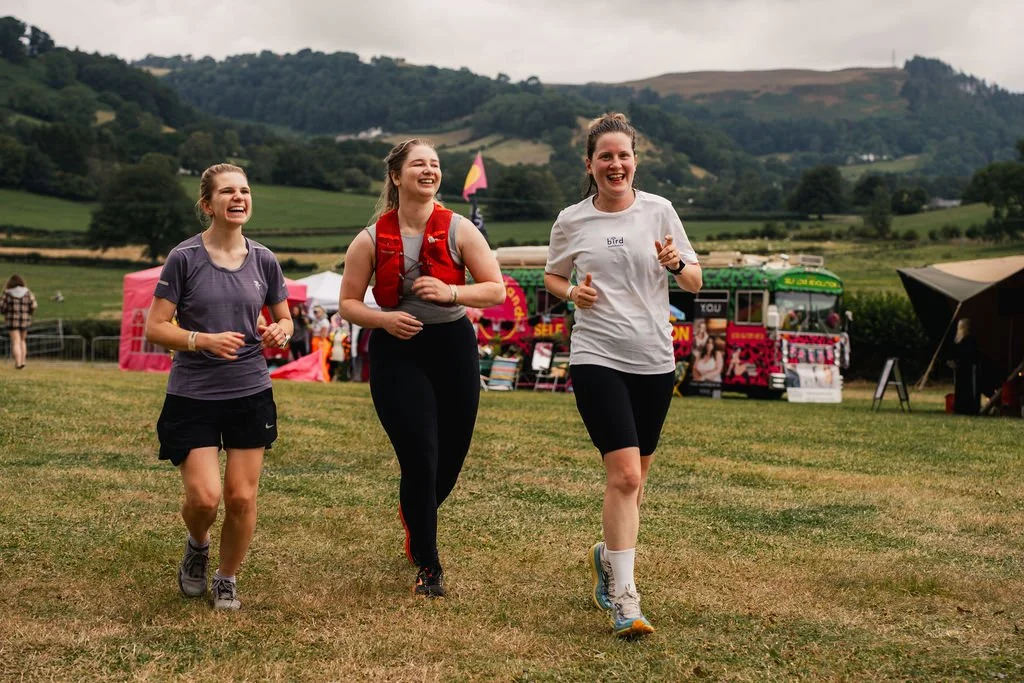
As a community, we’re really passionate about supporting our women runners. So below we’ve shared some of the things we’re currently doing, and a few areas we’re looking to grow in, in the hopes it helps support other outdoors communities to grow their own practices and gain some ideas.
Creating an inclusive running space
Run clubs can be a powerful way to help women feel safe and supported. But what if the run club itself doesn’t feel like a safe, welcoming environment? What if you feel too intimidated by pace and fitness to go?
One of the first things the founder of Bird Outdoors, Hannah Robson, wanted to do was create inclusive running spaces — welcoming every kind of runner. So she started by setting up a monthly collaboration with One Foot Forward, a socially-paced run club hosted by Track Brewery in Manchester. The concept of the collaboration is simple: a 5km social run with women run leads at the front, middle and back, and a ‘no runner left behind’ ethos.
We’ve found this format helps build running confidence, especially for those who are new to running or returning after a break. It’s not about pace — it’s about showing up, having fun and feeling supported.
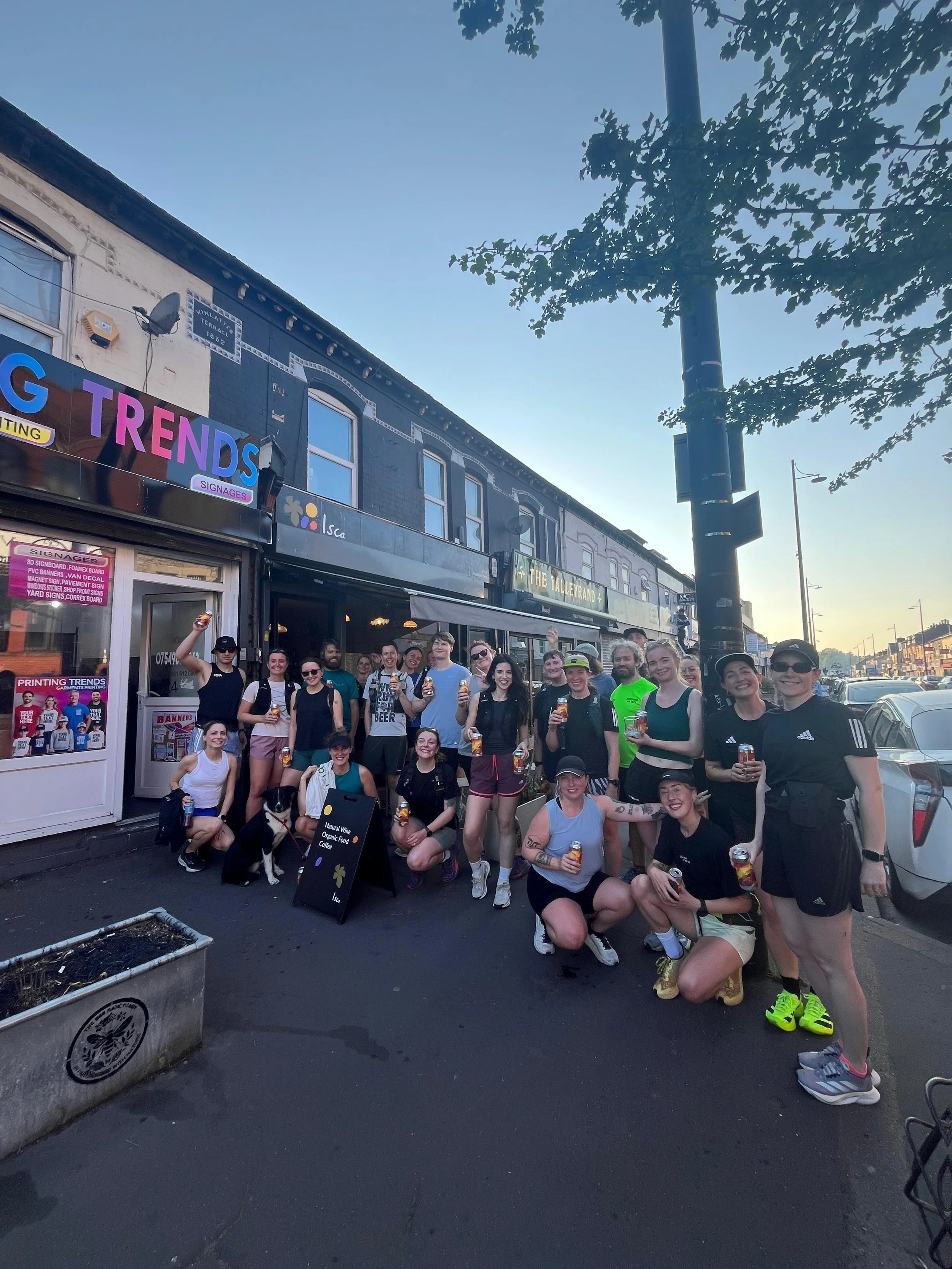
Since then, Bird Outdoors have gone on to set up a second monthly run club collaboration, with a local restaurant and cafe in South Manchester. Arranged on Sundays, this run offers a longer route at an inclusive pace with the opportunity for coffee and cake after, meaning there’s multiple opportunities to get involved and gain the support of our community.
Creating spaces to talk - wherever you are
Not all our members can make it regularly to our in-person events and activities, which is one of the reasons our Bird Outdoors WhatsApp community has become such an important part of what we do. It’s not just about us sharing our news and events — it’s a space for women to talk, ask questions, share perspectives and experiences, and find company for adventures. It helps us all feel surrounded by support at all times.
Within the community group, our run leads have their own private WhatsApp chat — a place to reflect, discuss and decide how to manage our run socials. From inclusive pacing to navigating shared running spaces with men, it’s a space for open conversation where we continue to learn and grow as a group.
Upskilling our members
This Summer, we set up the Bird Outdoors Community Fund to offer financial support to both volunteers and event attendees who might otherwise face barriers to participation.
The fund has been an incredible way for us to start upskilling our volunteer run leads - providing England Athletics Leadership in Running training, Fell, Hill, Off Road and Trail courses and outdoors first aid certification. By investing in our amazing volunteers, we’re not only helping them become more empowered, we’re also expanding possibilities for the whole community. More run leads means more chances to tackle bigger adventures and more women supported confidently, in an inclusive way.
The fund is supported by voluntary donations from Bird Outdoor event attendees, supporters of our community work and dedicated fundraising events - a collective effort, just like everything we do.
Active bystander training
At Bird, we believe women shouldn’t have to change their behaviour to feel safe. But we also know that creating safer spaces requires everyone to play a role.
That’s why we’re exploring the introduction of active bystander training in partnership with our collaboration partner, One Foot Forward run club. Active bystander training is designed to equip people with the tools to recognise inappropriate behaviour, intervene safely when they witness harassment, and support those affected. It’s about helping us shift the culture, rather than women’s behaviours.
By embedding this kind of training into our wider community, we hope to build a stronger, more informed network of allies who can help make outdoor spaces safer for everyone.
Reporting harassment
Recent research from The University of Manchester found that only 5% of women runners who experience abuse report it to the police, despite over two-thirds facing harassment ranging from verbal abuse to physical and sexual assault. That silence makes it harder for authorities to respond, and easier for harmful behaviours to stay invisible.
Reporting harassment is something we can all do as individuals to support women runners. Every report matters. It helps build the case for better protections, stronger policies, and safer spaces for women. At Bird Outdoors, we currently have these discussions informally - it’s a topic that’s come up naturally when women in our community have talked about safety outdoors and we encourage one another to take action.
Continuous learning
We’re continuing to educate ourselves on how best to support women — and how we can help change happen. We’re endlessly grateful to the amazing women in our community who keep feeding back what they’d like to see more of.
There’s lots of great accounts on social media and articles online that challenge the narrative that women need to change their behaviour and talk about how we can better support one another. Runner @bethantaylorswaine, the “Let's lift the curfew” campaign and policy recommendations from Manchester University are all great places to start.
So if you’re unsure where to start in your community, why not begin by simply learning more? And if you’ve got ideas or resources to share, please do comment below.
The most important thing in all of this is reminding ourselves: every step taken is a step towards change.
You can find out more about Bird Outdoors via their website or @bird.outdoors on social media.
If you’ve enjoyed this article you might also enjoy our interview with Sabrina Pace Humphreys sharing her learnings from running Black To The Trails, or this article written by Harriet Macmillan (Navigation With Harriet) on Gender and Hiking: Creating Inclusive Outdoor Spaces.