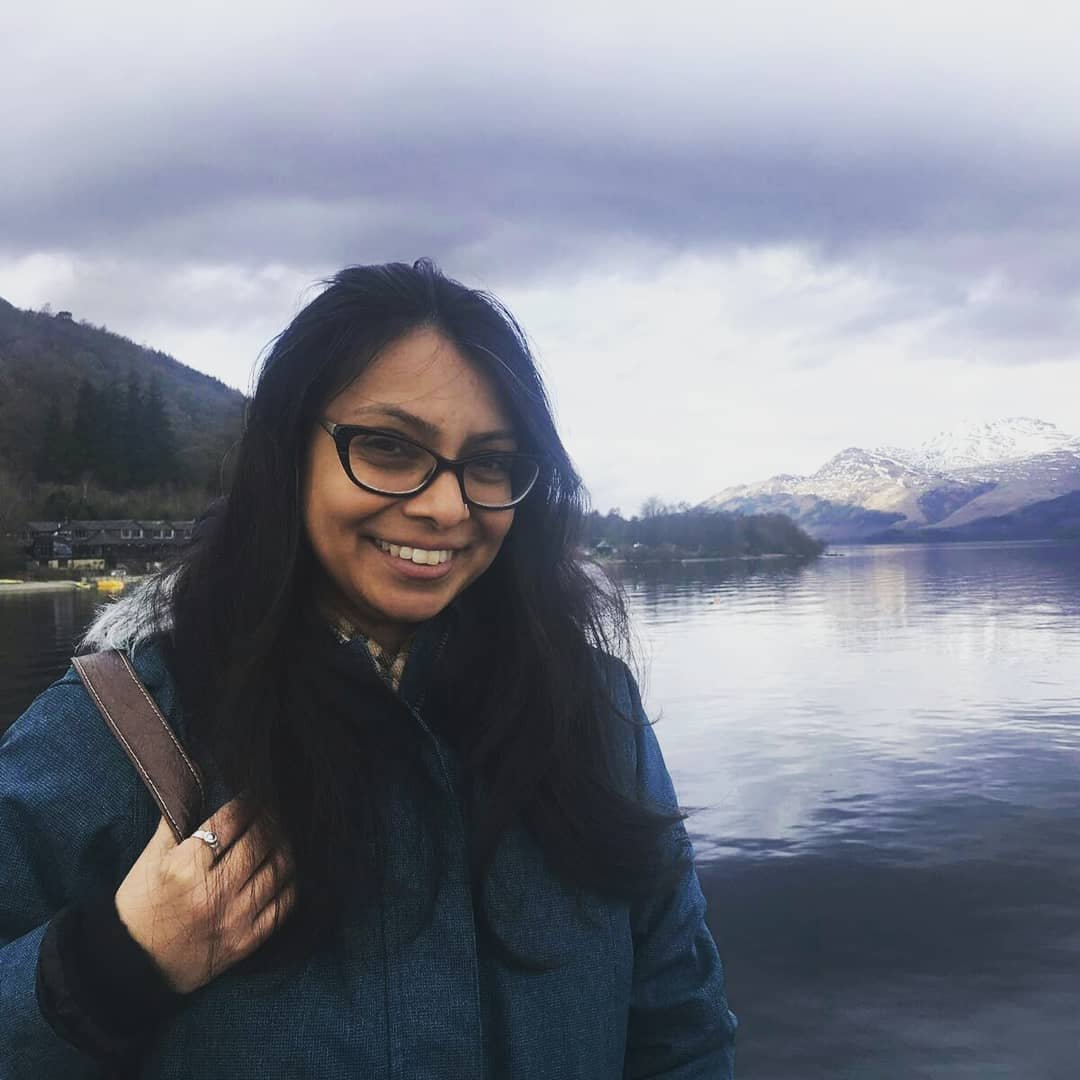
Nafisa Gudal leads NatureWithNafisa, an organisation focusing on bringing a community of fellow Muslim women together through monthly hikes, bespoke retreats and nature-based healing spaces. What started as a solo venture in the UK is now an international organisation with a regreening initiative and contacts across East Africa, so what can Nafisa’s journey tell us about starting local but thinking global?
NatureWithNafisa at a glance…
Founded in… 2024 with formal registration in 2026
Biggest achievement… Creating a nature-based community that has connected hundreds of women with the outdoors while supporting regreening efforts in drought-affected regions of the Horn of Africa.
Audience… Muslim women seeking to unplug, heal and bond in safe nature spaces
Events…Monthly hikes in the UK, retreats and outdoor adventures, seasonal sensory wellbeing workshops, and yearly international retreats
NatureWithNafisa in one sentence… ‘Let’s hike, heal and grow together’
Find them on… naturewithnafisa.com, Instagram and TikTok
What was the catalyst for NatureWithNafisa?
For over a decade, I've worked in advocacy, diplomacy and international development, much of it focused on climate justice and human rights. Over time, I realised there was a disconnect between the language used in policy spaces and the way people experience environmental change in their everyday lives. In the communities I worked alongside, people weren't talking about emissions targets or policy frameworks; they were talking about rainfall, crops, livelihoods and their connection to the land. When you’re talking about specialist greenhouse gas measurements like scope three emissions, you might lose someone in a conversation – they might be asking, are you talking about ‘recycling’ right now?
I am a Somali from Ethiopia and while I’m based in London now, my work has always been internationally focused. I was working from Somalia for a few months during one of the worst droughts in the Horn of Africa in the last 30 years. Everyday people were feeling the effects – they didn’t need to be climate experts because they were deeply connected to the nature around them. The language we use comes with this additional cultural
and spiritual perspective. In our faith, it’s important to be a Khalifah (steward) of our planet and take care of it - that’s where our livelihood comes from. We even have prayers that encourage the rain. But we’re using a completely different language in the advocacy space.
“Over time, I realised there was a disconnect between the language used in policy spaces and the way people experience environmental change in their everyday lives.”
When I started NaturewithNafisa, I was going through my own personal journey of healing. My grandmother passed away, so I decided to do a regreening initiative as her sadaqah jariyah (ongoing legacy). I was in Ethiopia when we made that decision as a family.. We’ll honour her legacy and plant something on the planet.
And that’s how everything started. I wanted to do a fundraiser activity to support this initiative, something nature-related I thought. Then take the proceeds and invest them in our regreening initiative in the Horn of Africa, specifically in the drought-impacted regions of Somalia.
In retrospect, what began as a deeply personal way to honour my grandmother's legacy quickly grew into a wider vision of creating opportunities for women to reconnect with nature while contributing to the regeneration of landscapes affected by drought.
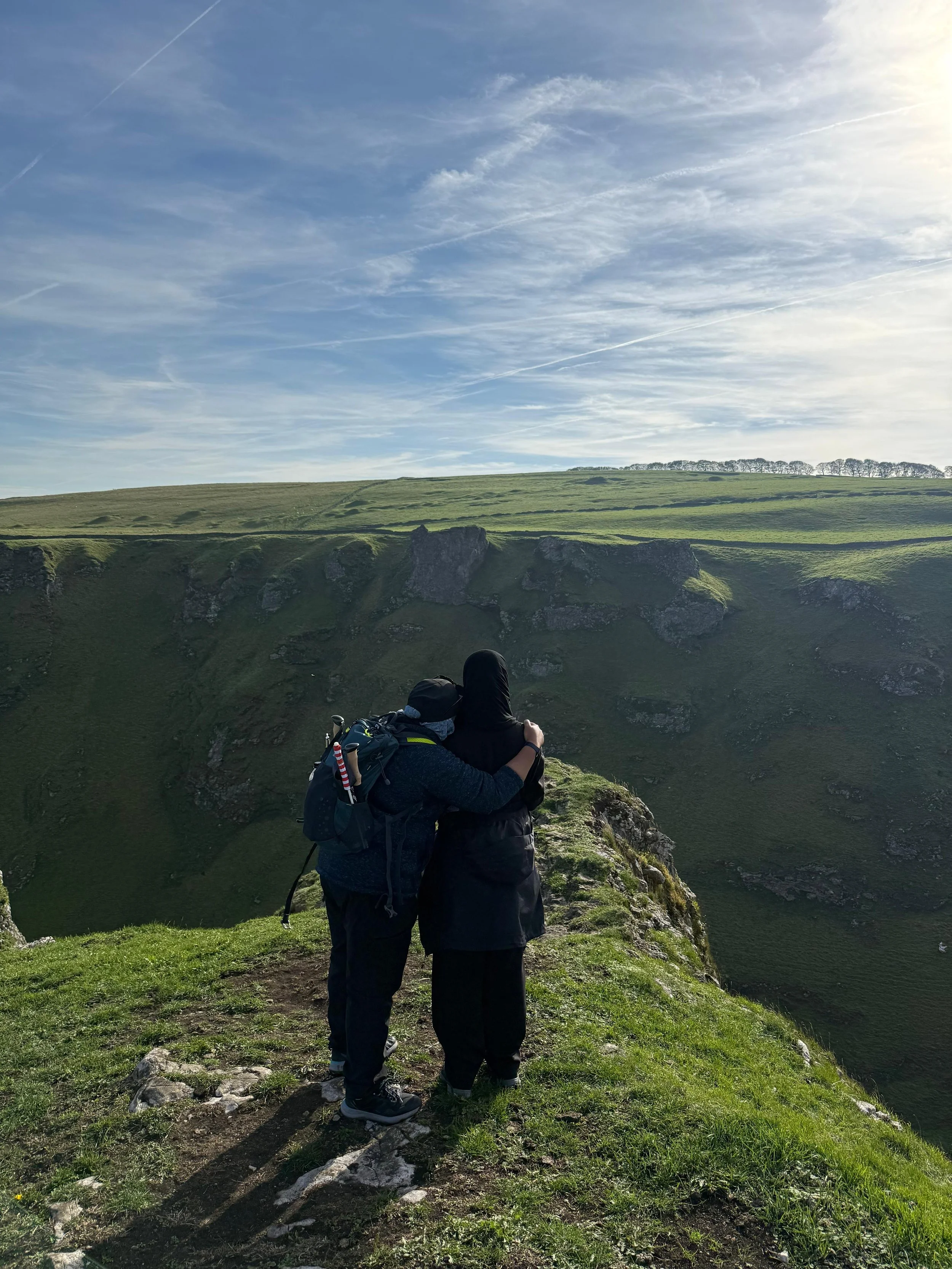

Image Credit: Derviš Hadžimuhamedović

Image Credit: Derviš Hadžimuhamedović
How important is it to embrace the unexpected in the start-up phase?
A lot of things happen in parallel. One of the biggest lessons I've learned is that community often shows you where you're meant to go next. NatureWithNafisa didn't grow according to a strict business plan, it evolved through listening.
In the UK, I was doing monthly walks which I’d started in April 2024. When I came back, someone else suggested, ‘Why don’t you add a donation to your monthly walks?’, and that’s where the link came between the events I was running outdoors and the regreening initiative in another part of the world. It was implemented in July 2024.
The community builds itself. This was supposed to only be a summer thing. We’ll fundraise, we’ll do outdoor activities, and we’ll then focus on the regreening elements. But it was the community that said, ”Why don’t we go to the Scottish Highlands in the autumn and fundraise for the regreening initiative.” What started as monthly fundraising walks became mountain adventures, wellbeing retreats and eventually a much broader movement centred around nature, faith and sisterhood. Much of that growth came directly from the community itself.
How did NatureWithNafisa evolve as an organisation?
As the community grew, we became more intentional about the experiences we were creating. After we had been running as a voluntary group for over one year , our objectives changed. We wanted to be more intentional and curate nature-based workshops which included herbalism, natural wellbeing, health, foraging, mountain navigation, and more While the walking club still contributes to the regreening initiative everything else we do is focused on centering the wellbeing of women, connection to nature as a spiritual practice .
In 2025, we started to apply for small pots of funding and started thinking further about sustainability – what will we look like in a few years’ time? We had consultations with those who attended our events, and we listened to them. I was surprised by how many people were really interested in our regreening initiative. I thought perhaps it was only interesting for those already in the climate policy space, but there were lots of questions about what it involves.
We had four retreats in 2025, but overall we ran 17 events. We make sure that our events are never bigger than 15 people, so they remain intimate spaces. We had already started to apply the feedback to our 2026 plans.
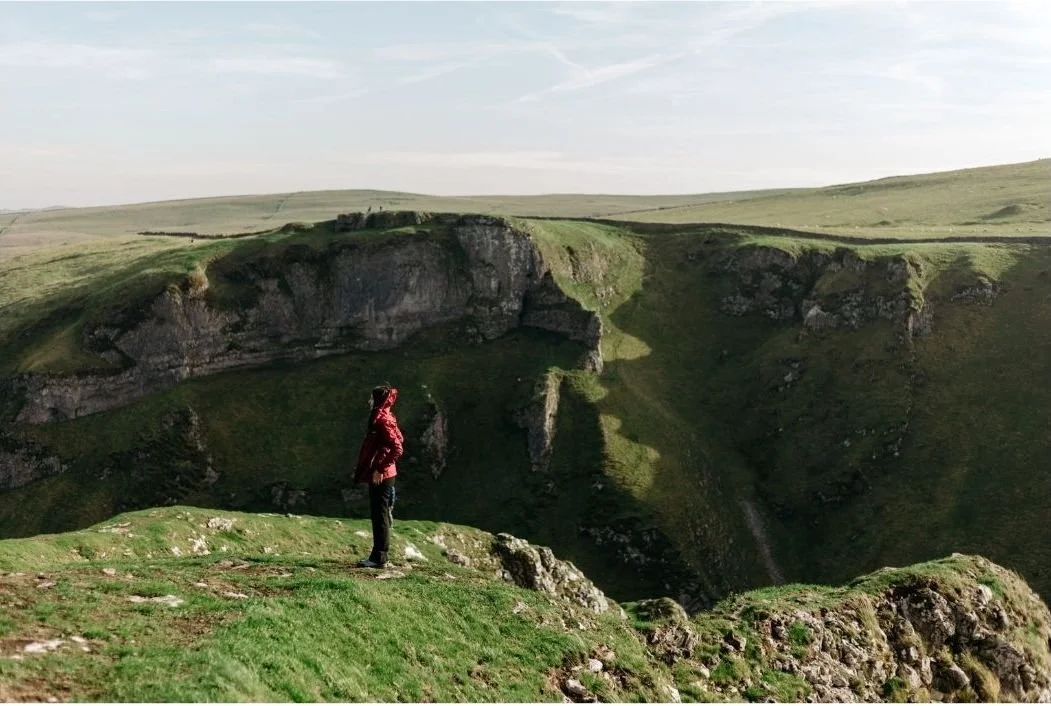
One of the moments that felt particularly significant was during our first international retreat in Bosnia this year. Alongside the wellbeing elements, we partnered locally to take part in urban planting and learn about sustainable green spaces. Being in the Urban Sensory Garden – one of the first of its kind in Europe felt like a natural evolution of our mission — connecting personal wellbeing with care for the environment. That was a great way to integrate that kind of learning into our wellbeing retreat.
How important is an entrepreneurial mindset when setting up an organisation like yours?
We’re a team of five based in London, Bristol and even India. It took a lot of speaking to lots of different people to understand whether we would register as a charity, a company or a CIC. The registration process was straightforward for us, but it was definitely worth investing the time to speak to other founders.
I've had to develop a completely different skillset alongside the mission. Building something sustainable requires understanding finance, pricing, operations and long-term planning, not just passion. I went to the Outdoor Connections event All the Elements runs and it was helpful to speak to other founders about things like finance and I have tried to fill in any gaps in my knowledge. I’ve spoken to ex-colleagues, I’ve spoken to accountants, I talk about pricing strategies.
We registered as a social enterprise in 2026 - under the name Roots and Horizons Ltd which is a private company limited by guarantee without share capital.
What is unique about your events and community?
What makes our community unique is that we approach nature through a lens that is both culturally aware and spiritually grounded. For many of the women who join us, caring for the environment isn't separate from their values, faith or wellbeing. We talk about the planet as a place of God’s creation and there is a very different kind of language to use when you feel there is a spiritual obligation for you to take care of the planet. It’s very different to talking about policies and what’s happening in other parts of the world, where you’re not maybe acutely feeling the impact of the environmental degradation where you are.
“We run events where Muslim women can feel seen, comfortable and safe outdoors. This means that we think about prayer times, we think about the psychological safety of Muslim women, who our instructors are and how we move together through the land collectively.”
We run events where Muslim women can feel seen, comfortable and safe outdoors. This means that we think about prayer times, we think about the psychological safety of Muslim women, who our instructors are and how we move together through the land collectively.
Although our events are open to all women, we intentionally curate them with Muslim women in mind because we recognised a gap in the outdoor sector and wanted to create something that genuinely reflected their experiences.
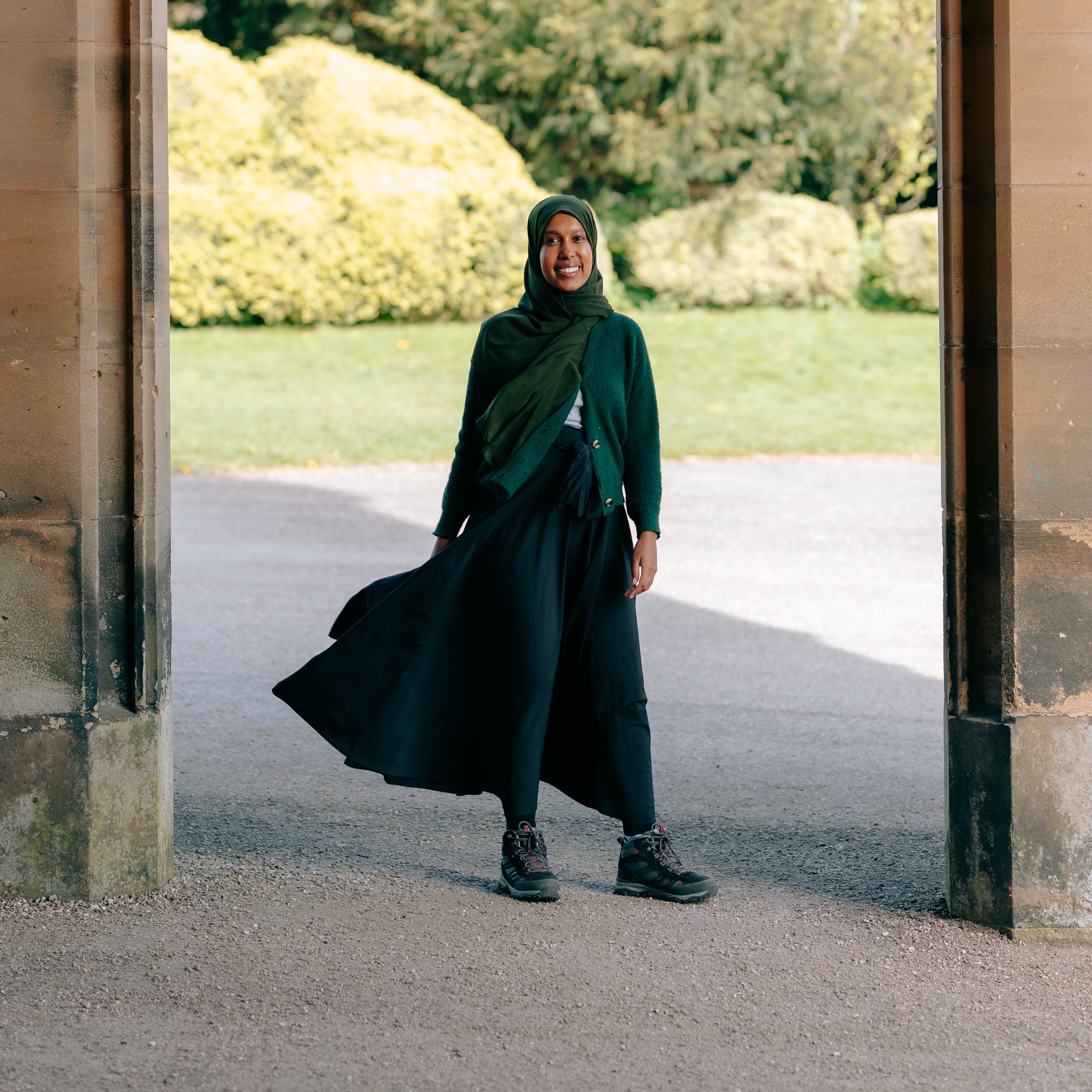
Image Credit: Celie Nigoumi

Where is NatureWithNafisa now?
We’ve made the decision that this year we need to focus on how to scale sustainably. We want more of our retreats to include educational elements about how to take care of our environment. We also want to plant more trees in Ethiopia and drought-impacted Somali regions in the Horn of Africa. We’re evolving to such a degree that those coming on our hikes and retreats have shared ‘I’d like to plant a tree on behalf of my mother’, so hopefully by next year’s Ramadan, we’ll be able to have that as a campaign - if you want to plant in memory of somebody, you can.
How can people find you?
You can visit the website naturewithnafisa.com, find us on Instagram @naturewithnafisa and on TikTok @naturewithnafisa
How can people help you?
There are a few different ways people might be able to support with our work:
We’re interested in partnering with value-aligned brands through sponsorship, in-kind contributions, retreat essentials, outdoor kit, wellbeing products or collaborative campaigns that support women in the outdoors.
We want to work with organisations or employee networks looking to bring nature and wellbeing into the workplace. We deliver bespoke workshops and experiences that explore the connection between nature, mental wellbeing, environmental stewardship and community, and have received great feedback from organisations we've worked with to date.
We’re looking for nature venues across the UK, including residential farms, outdoor education centres, conservatories, eco-retreat spaces and unique venues that may be interested in hosting workshops, retreats or becoming long-term community partners.
Connecting with people who can introduce us to organisations, funders, environmental initiatives or community networks aligned with our mission of helping more women reconnect with nature while supporting regreening efforts in drought-affected regions of the Horn of Africa.